Exhibition
Infinite Variety: Selections from the UM-Dearborn Glass Collection
Thursday, Jan. 29, 2026 - Sunday, Apr. 26, 2026
About the Exhibition
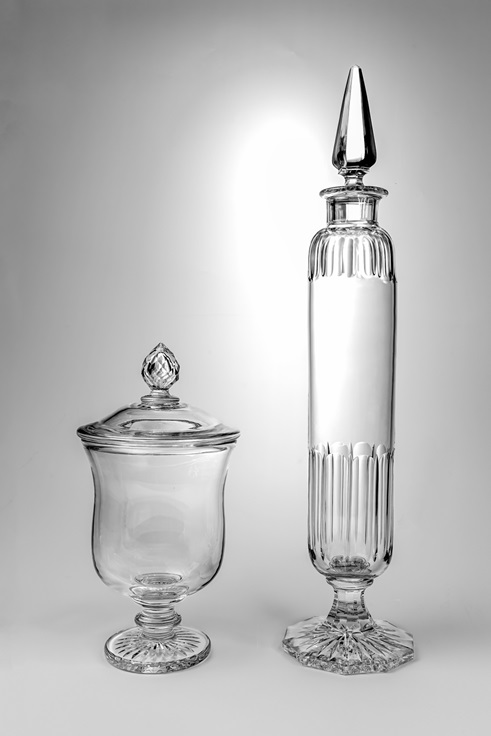
What words come to mind when you think of glass? “Transparent,” “colorful,” “useful,” or “beautiful?” “Artistic” and “fascinating” might, as well. All these words and more apply to glass. We live daily with glass in our cars, houses, shops, places of worship, and our omnipresent cell phones. Yet glass by its unique physical properties is powerfully transportive. In its shapes, colors, and ability to transform light, glass can take us out of our own world and into the past, future, and places that are only imagined. This is why glass has been prized as a medium for creativity in workshops, factories, and artists’ studios for more than 5000 years.
This exhibition celebrates the infinite variety of art glass from the collection of UM-Dearborn, located an hour from where the American Studio Glass movement was born in 1962. However, the pieces included in this exhibition represent more than this movement; they reach back in time to the early 20th century and across oceans to Europe and Asia. The exhibition is organized into five themes that highlight key qualities of glass to showcase how artists play upon and confound our expectations of this medium.
Ancient and Modern: Furnaces, pipes, marvers, jacks; trailing, pulling, applying, fusing, slumping; these are the tools and techniques that are shared by ancient and modern glassmakers. Over thousands of years of art and craft and the emergence of local traditions, certain forms and products consistently appear to defy time and place.
Light: Glass might bring to mind transparency, but clarity is only a small fraction of glass’ artistic potential and fascination. Intricate recipes of mineral additions to raw glass result in products that can be intensely saturated with color or glowingly iridescent, each according to artistic taste.
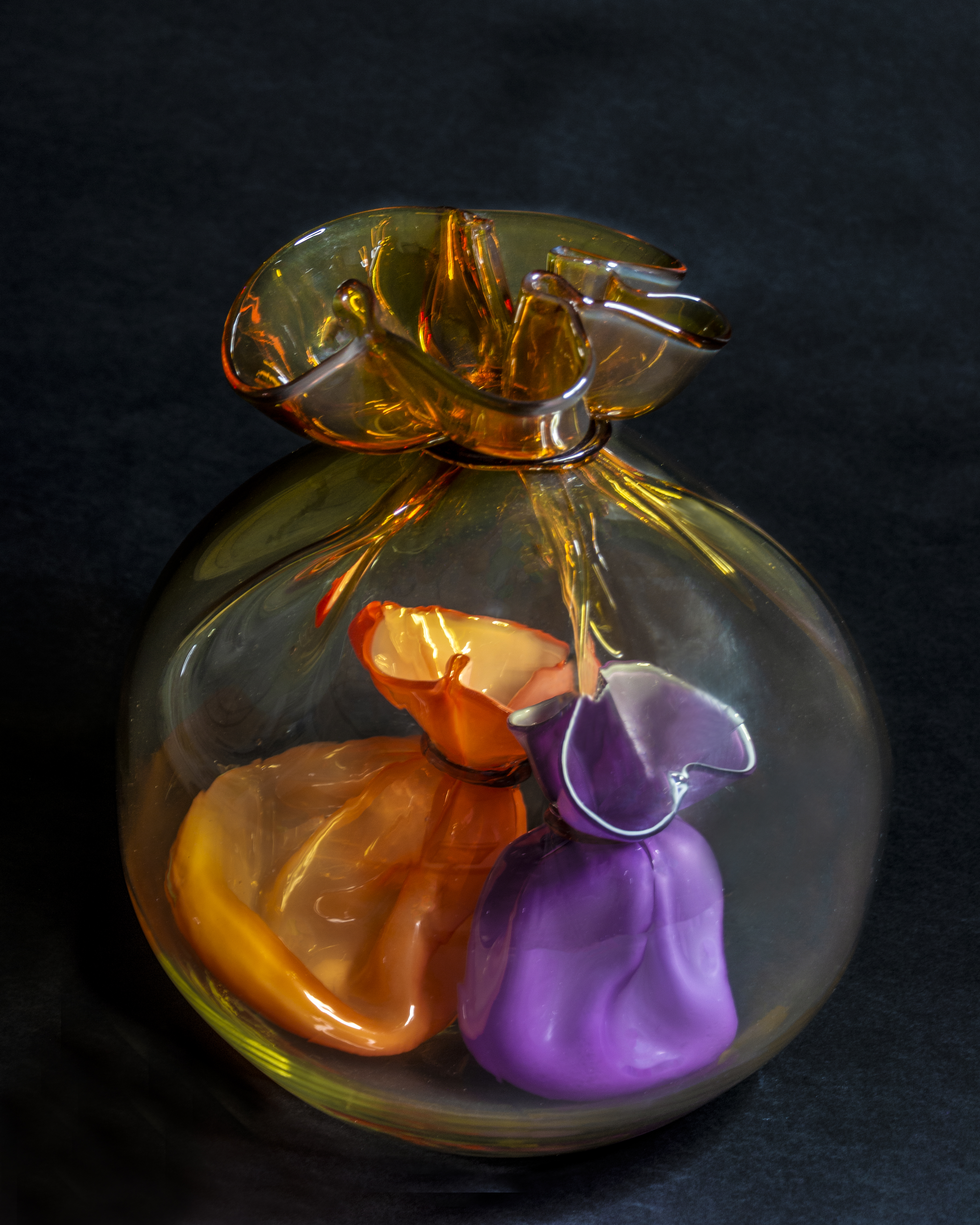
Kate Vogel and John Littleton
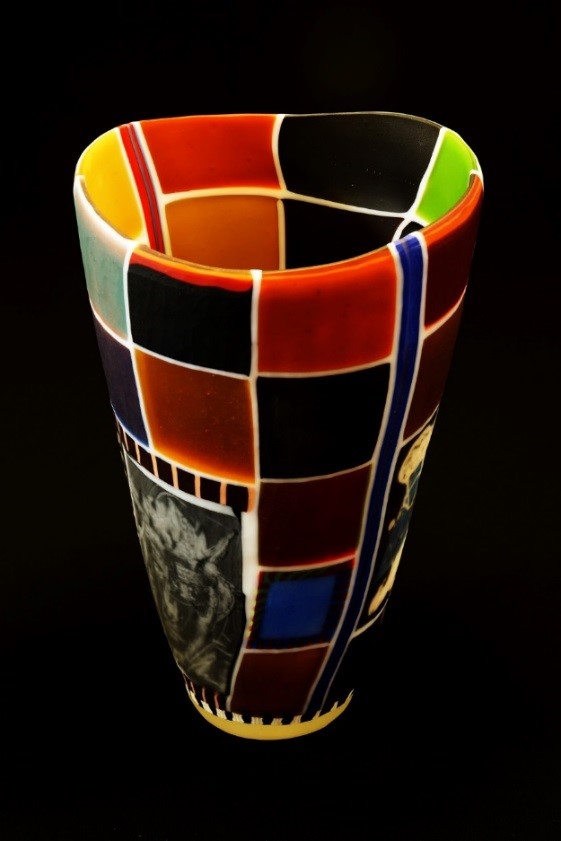
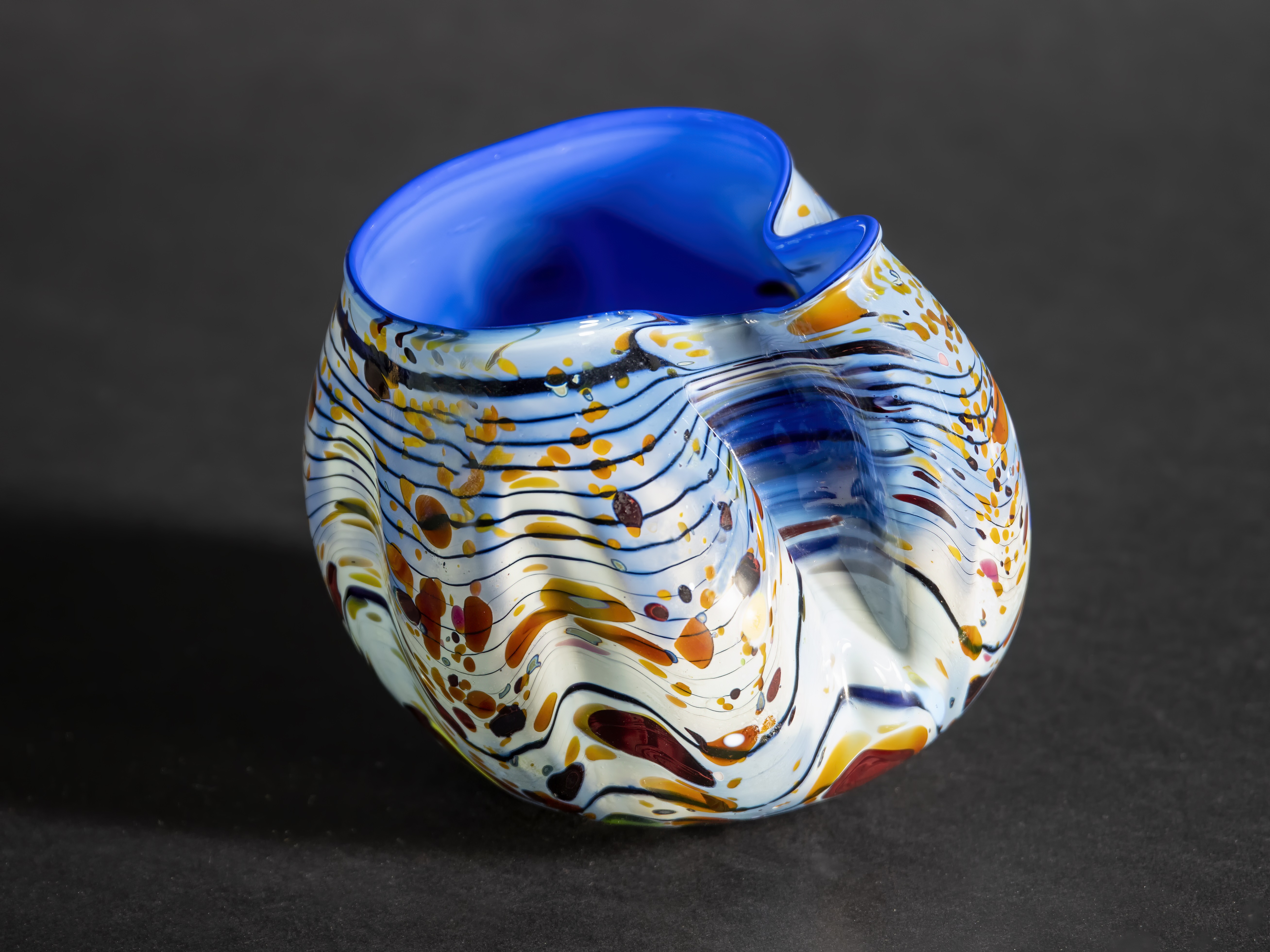
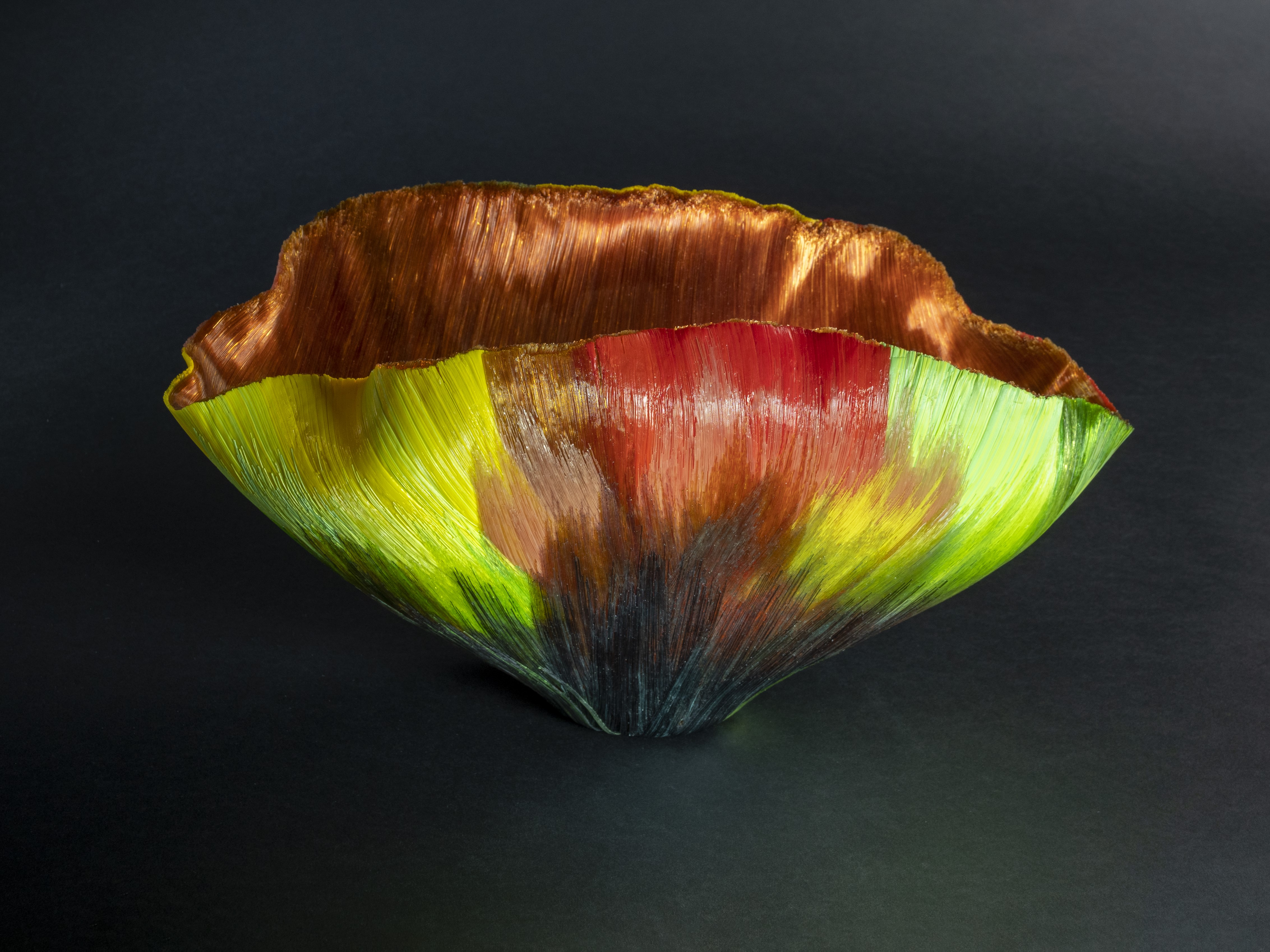
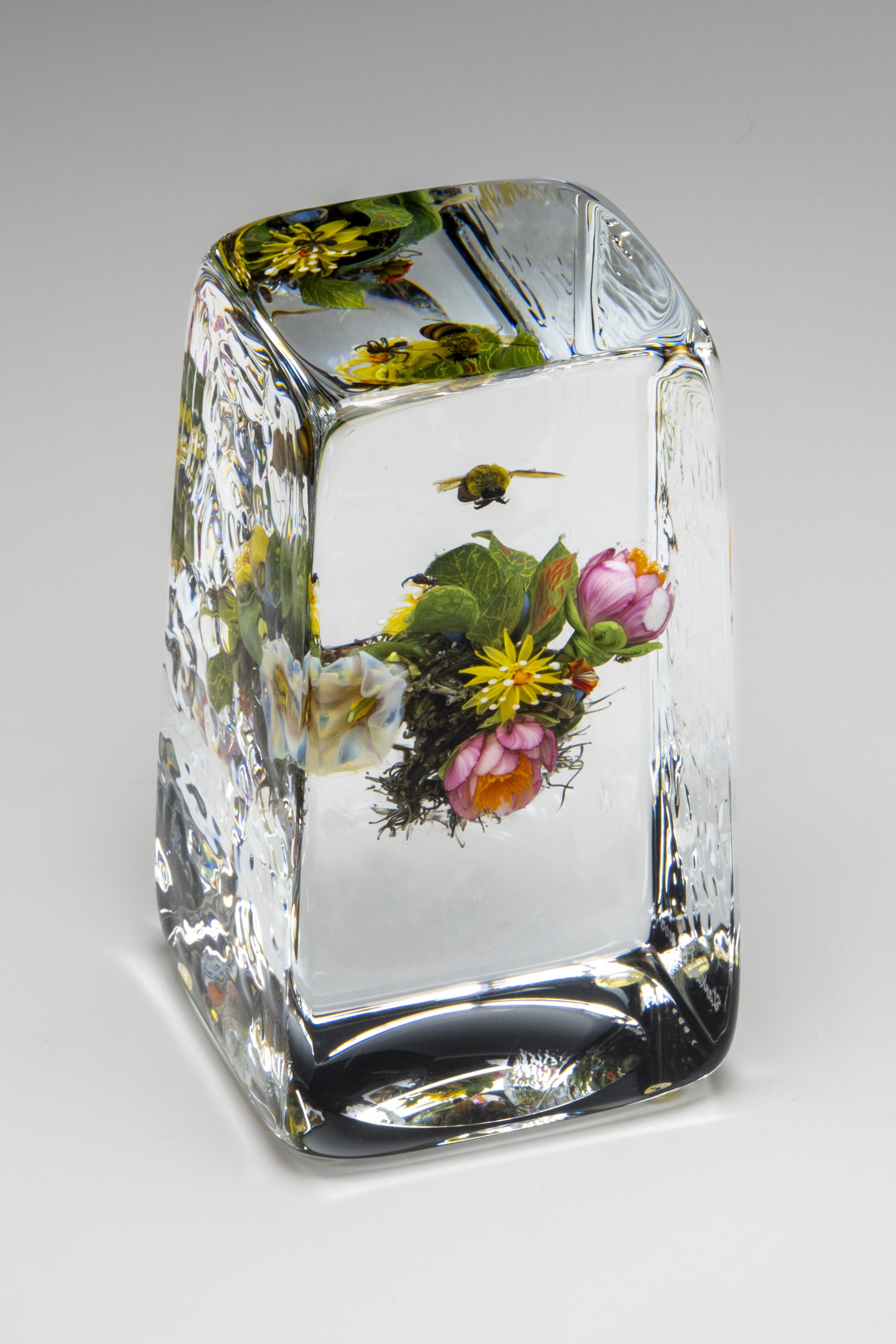
Nature: Though born of sand, ash, and fire, everyday applications of glass can make it seem divorced from the natural world. Yet glass can take on the shapes and hues of the earth, plants, and animals through a variety of techniques and artistic inspirations. The wonder of glass is shared with the wonder of nature itself.

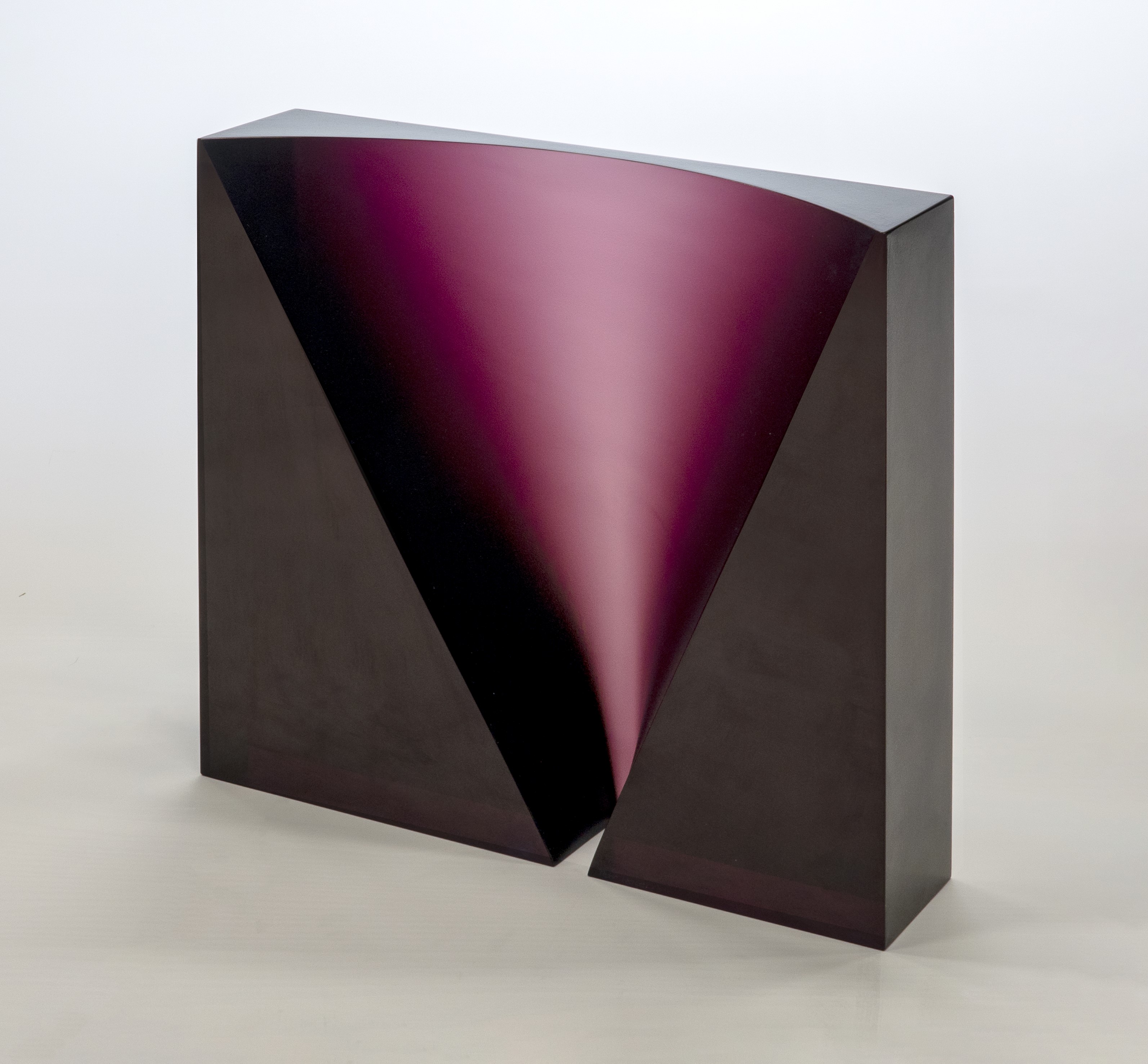
Prism: When the artistic mind and the versatility of glass converge, simple geometric forms take on breathtaking complexity. Though clean lines and optical clarity suggest stillness, prisms are activated through the play of light and movement of the eyes. The viewer is invited to an impromptu dance that can be velvet-smooth or hotly scintillating.
Art: Glass is not only a unique artistic medium with its own traditions. It also has been part of larger global artistic movements. Motifs and aesthetics are transposed and transformed across media and culture as glass expresses an artist’s personal perspective on the world.
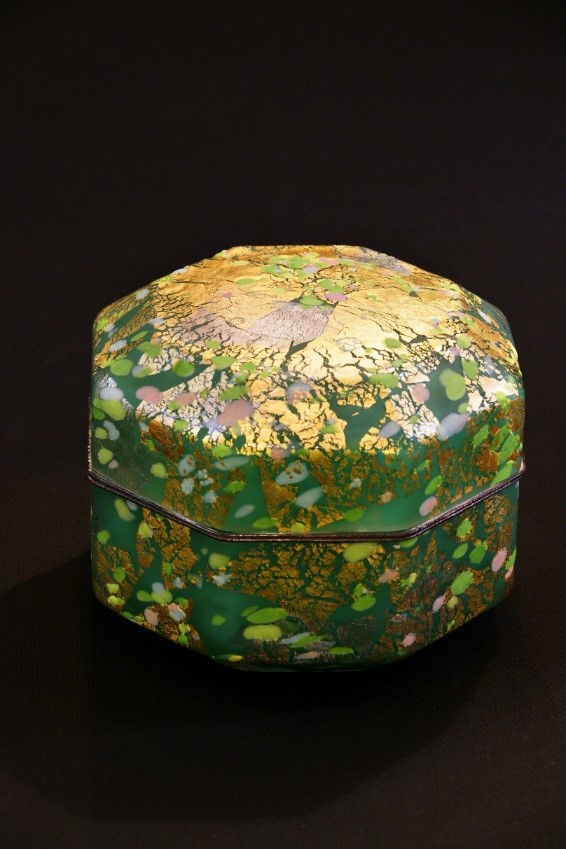
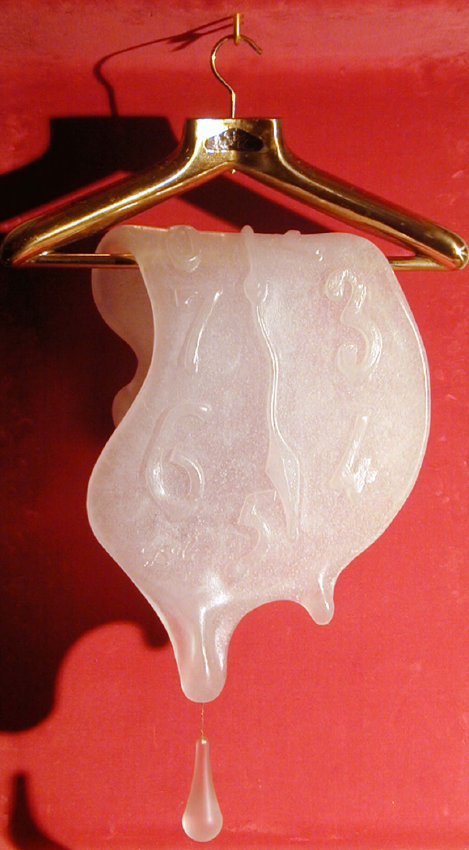
Salvador Dalí and Daum

This exhibition also includes curated student artworks from UM-Dearborn’s Applied Art courses (Painting and Color Design, taught by Erik Mueller; Drawing, taught by Elise Putnam; Digital Design and Digital Photography, taught by Sarah Nesbitt). Students were asked to think about glass and the themes of this exhibition as a point of departure. Sarah Nesbitt’s original photo essay, “Collecting Dangerously,” considers the accidental destruction of a prized Murano sculpture.
This exhibition is the culmination of the project-based learning ARTH 402 Museums and Art in the Community Capstone seminar in UM-Dearborn’s Art History and Museum Studies program. Jay Snyder-Phillippoff, Sela Ibrahim, Alaina Powers, and Julia Fahling helped prepare this exhibition over the Fall 2025 semester. They were superlatively supported by Stamelos Gallery Center Art Curator Laura Cotton and Registrar Autumn Muir. Special thanks are owed to photographer Kip Kriigel, Patrick Armatis, Jean Song, Qiyan Ba, Prof. Susan Erickson, Department of Language, Culture, and the Arts Chair Daniel Davis and administrators Lori Petrick and Sharon Rose Piwang, and former CASL Associate Dean Marie Waung. In addition, Julie McMaster of Toledo Museum of Art Archives and Library and Sarah Kohn, Curator of Collections at Flint Institute of Art, and Jason Stevens of Flutter and Wow Museum Projects generously gave their time to this course. We also thank Kim Harty, artist and associate professor of glass at College for Creative Studies in Detroit, for the loan of a piece from her recent exhibition, “Mosaicisms,” to this exhibition.
We also would like to express our gratitude to Richard and Louise Abrahams. Many of the pieces in this exhibition come from the collection that the Abrahamses donated to UM-Dearborn in 2022. Their relationship with the University traces back to the long tenure of the late Joseph Marks, whose indefatigable energy and cultivation of collectors as the Curator of the Alfred Berkowitz Gallery brought the first stunning pieces of art glass to UM-Dearborn’s collection. The Art History and Museum Studies’ practice-based learning curriculum continues to benefit from the ongoing collecting mission of the University that focuses on art glass and Michigan artists.
— Written by: Diana Y. Ng, Professor of Art History, Department of Language, Culture, and the Arts, University of Michigan-Dearborn, College of Arts, Letters, and Sciences
View Student/Faculty Essays on this ExhihibitionExhibition Events
Opening Reception
Thursday, Jan. 29, 2026, 5:00pm - 7:00pm
Stamelos Gallery Center
Kim Harty, Associate Professor and Section Lead of Glass,
College for Creative Studies
Sarah Kohn, Director and Curator of Collections and Exhibitions,
Flint Institute of Arts
Reception is free to the public. Complimentary beverages and hors d'oeuvres provided.
Guest Lecture by Herb Babcock:
American Studio Glass and Reflection on International Influence
Friday, Mar. 20, 2026, 2:00pm - 3:00pm
UM-Dearborn-Mardigian Library, first floor next to Stamelos Gallery
Event is free to the public and light refreshments provided.
In the early 1960’s, Harvey Littleton set out to make glass blowing a creative experience for craftspeople and artists in a small studio environment. This was the beginning of the American Studio Glass Movement that transformed glass from a factory-made product into an independent art form created in private studios. Glass is a medium of transitions.Most American participants were working in another medium before coming to work in glass as a primary material, many times, adding it to the repertory of their total art expression. As the movement grew, reaching out for international influence also assisted the artists’ endeavors... View MoreThe Stamelos Gallery Center is located on the first floor of the Mardigian Library at the University of Michigan-Dearborn. For more information, see below for contact information. Anyone requiring accommodations under the provisions of the Americans with Disabilities Act should contact lacotton@umich.edu.
Featured University Art Collection Piece

Jacob Lawrence (1917-2000), Serigraph print, 1974
Gift of Gilbert M. Frimet,
Collection of UM-Dearborn (1980.065)
Photographed by Tim Thayer
This powerful serigraph print from the permanent collection was created by Jacob Lawrence (1917-2000), one of this century's most widely acclaimed artists.
Lawrence was born in Atlantic City, New Jersey, but moved to Harlem, New York, at 13. He is among the few painters of his generation who grew up in a Black community, received instruction primarily from Black artists, and was influenced by the experiences of Black individuals.
Lawrence's artwork portrays the lives and struggles of the Black community, capturing their experiences through several series focused on figures such as Toussaint L'Ouverture, Frederick Douglass, and Harriet Tubman, as well as themes related to life in Harlem and the civil rights movement of the 1960s. His style is characterized by vibrant colors and abstract forms.
In the 1940s, during a time of widespread segregation, Lawrence broke racial barriers by becoming the first Black artist whose work was acquired by the Museum of Modern Art in New York City.
He stated, "If at times my productions do not express the conventionally beautiful, there is always an effort to express the universal beauty of man's continuous struggle to lift his social position and to add dimension to his spiritual being."
Researched and written by:
Julianna Collins, Stamelos Gallery Center former intern, UM-Dearborn art history/museum studies graduate, Class of 2025
Contact Us
- Stamelos Gallery Center
- 1st Floor, Mardigian Library, UM-Dearborn
- 4901 Evergreen Road, Dearborn, MI 48128
- Directions
- Laura Cotton
- Art Curator and Gallery Manager
- 313-593-5087
- lacotton@umich.edu
- Autumn Muir
- Registrar and Gallery Assistant
- 313-593-3592
- aumuir@umich.edu