Light is not simply the subject of my work—it is its foundation. Through glass and mixed
media, I explore physical, metaphorical, and spiritual light as a force for transformation and
healing. We all encounter darkness, and if we are fortunate, we learn to move through it—sometimes
haltingly, often changed. Making art is part of that process; bringing light to fractured surfaces
and uniting broken pieces becomes an act of repair, transforming memory, experience, and loss into
meaning and hope.
My earliest engagement with light was rooted in wonder—watching it shift, dance, and reshape the
world. Over time, that fascination deepened, shaped by memory, heritage, spirituality, and lived
experience. Glass, with its ability to reflect, refract, and hold light, became my primary medium,
while mixed media extends this exploration through texture, depth, and narrative complexity.
Through my work as a clinical psychologist, my experiences as a teacher, and my practice as an
artist, I’ve learned how art can communicate and heal—for both the maker and the viewer. Years of
painting developed sensitivity to color, composition, and surface; ballet shaped rhythm and flow;
sculpture shaped my understanding of form and illumination. These influences converge in undulating
planes, reflective surfaces, and dynamic patterns that carry the eye across each piece.
Seeking Light unfolds in three sections: Leaving Darkness, Celebrating Radiance, and
Light Endures,
each offering a unique perspective on light as a metaphor for memory, spiritual reflection, and
resilience. As you move through the exhibition, colors shift, surfaces breathe, and textures animate
scenes drawn from nature, history, and personal experience. This work is meant to be experienced
slowly, attentively, and with openness.
Throughout the gallery, I invite you into my process through sketches, paintings, tools, materials,
and short videos, revealing the craft of mosaic and my painterly approach to shaping glass and
stone. The exhibition traces a journey through inherited sorrow, fear, perseverance, beauty, awe,
and fragile hope. In every piece, light serves as both guide and destination, offering reflection,
renewal, and the reminder that even within shadows, illumination endures.
— Michelle Sider
Michelle Sider is a Michigan-based mixed-media artist whose lifelong relationship with light began in childhood,
sparked by sunbeams streaming through her family’s windows. She earned a BFA with honors from the University of
Michigan, followed by an MA and PhD in Clinical Psychology from the University of Detroit. Her parallel careers
as artist, psychologist, and educator inform her exploration of healing, resilience, and human experience. Her
work has been exhibited nationally and internationally, recognized with numerous awards, and shown in galleries
across the United States, including being named one of the top 20 artists in ArtPrize. In addition to her studio
practice, she speaks and teaches widely and is the co-author and illustrator of Never Long Enough and
Never Long Enough Workbook/Coloring Book, which draw upon art and psychology as pathways through grief,
loss, and legacy.
Leaving Darkness
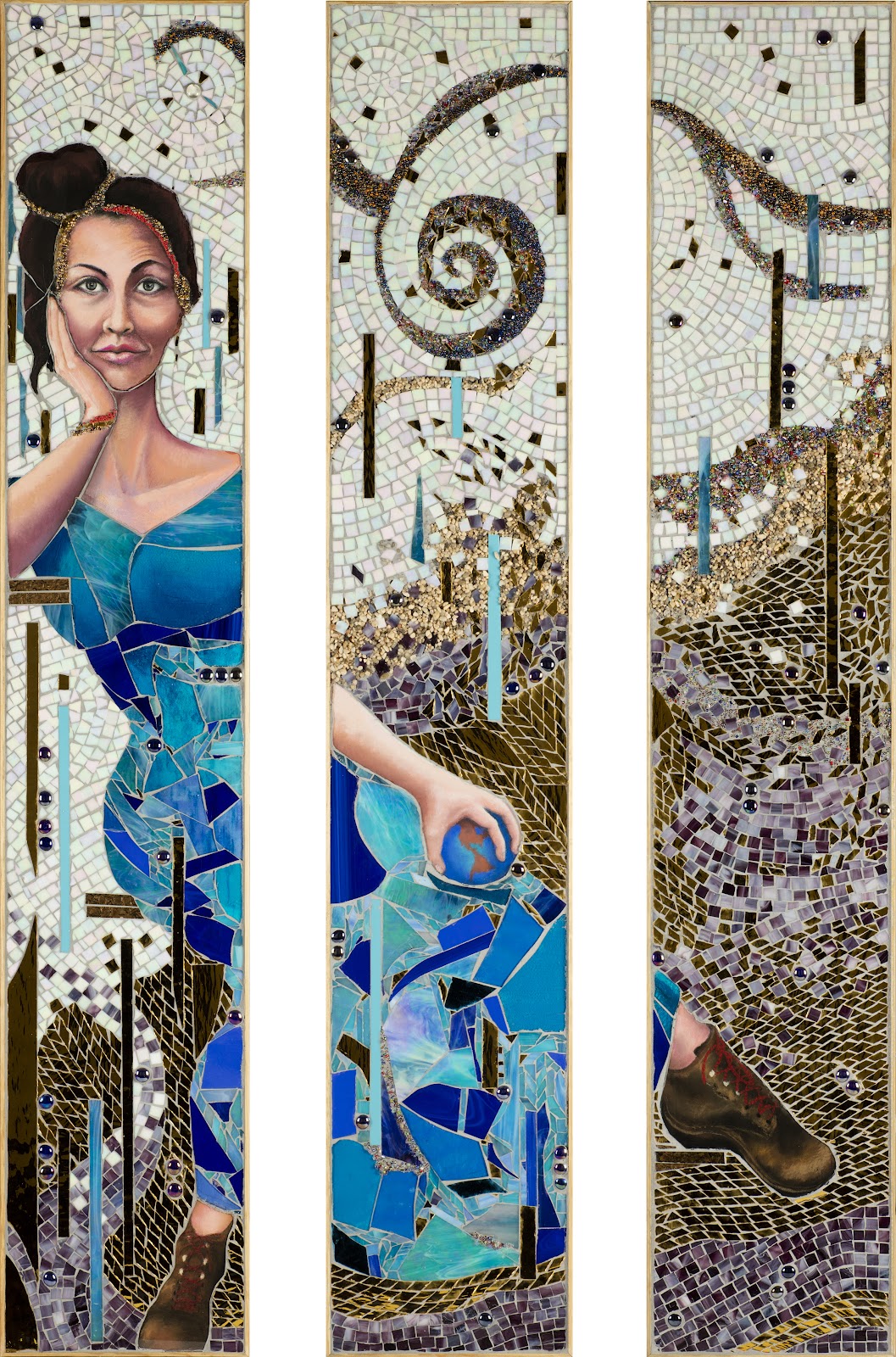
Queen Esther, Michelle Sider
These works emerge from histories of displacement, persecution, and survival. Rooted in stories from
Russia,
Yemen, and Persia—and shaped by a family history marked by upheaval—these mosaics honor the past
while
illuminating resilience, courage, and the threads of continuity that carry culture across
generations.
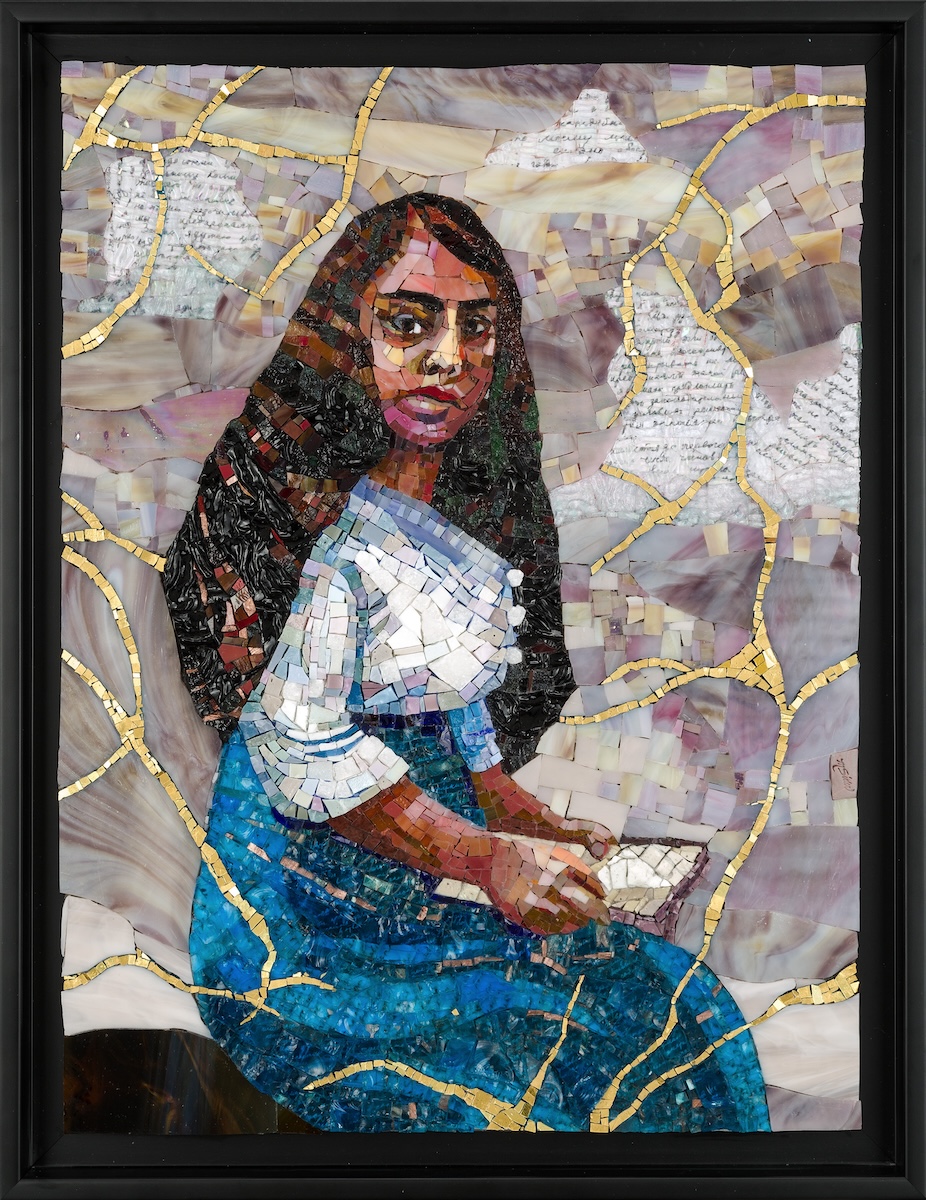
Featured works in this section include Anna, a portrait of my great-grandmother, whose moral courage,
determination, and quiet acts of resistance shaped our family legacy and continue to inspire me.
Also included is Queen Esther, a triptych that reimagines Esther as a contemporary figure.
In the biblical narrative, Esther—a Jewish queen of Persia—risked her life to save her people from
persecution; her story is one of courage, identity, and responsibility. Here, she is interpreted
through a modern lens: she fully inhabits her femininity, holds the world in her hand as befits a
queen, yet stands on a fragile, narrow support. She wears hiking boots, signaling both strength and
a readiness to flee should circumstances become too perilous for the Jewish people. This work also
offers historical context, situating the narrative within the long arc of Jewish experience shaped
by both vulnerability and resilience. Her leadership is shaped by empathy and wisdom, her identity
reclaimed, and her courage grounded in a deep sense of belonging.
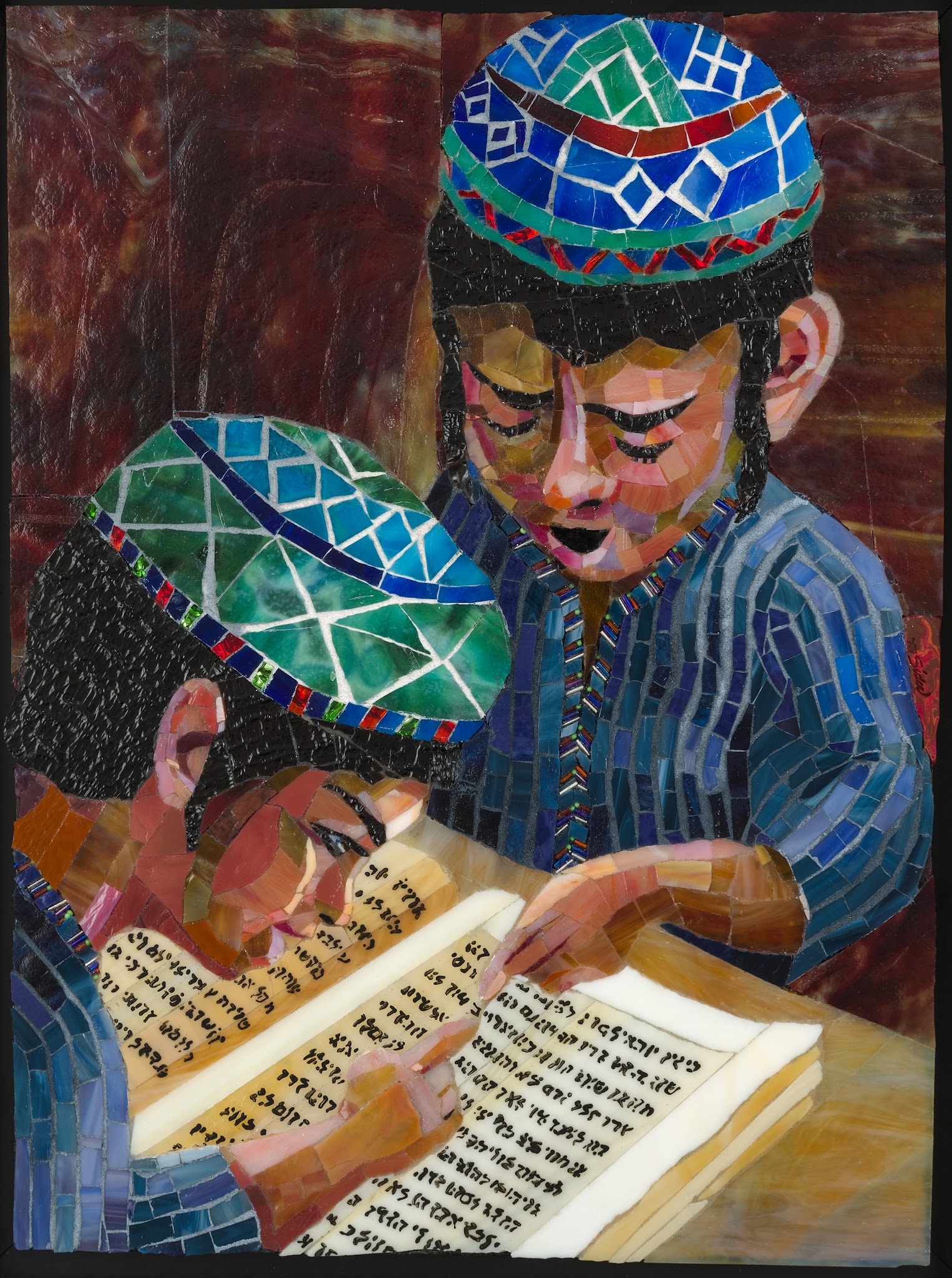
At the heart of this section is the “I Am Yemenite” series, which traces the lived
experiences,
faith, and cultural richness of Yemenite Jews—Jewish communities who lived in Yemen for over two
thousand
years, developing distinct religious traditions, language, music, and craftsmanship shaped by both
Jewish
and local cultures. These mosaics guide viewers from inherited darkness toward the first glimmers of
light,
celebrating endurance, faith, and cultural continuity.
— Michelle Sider
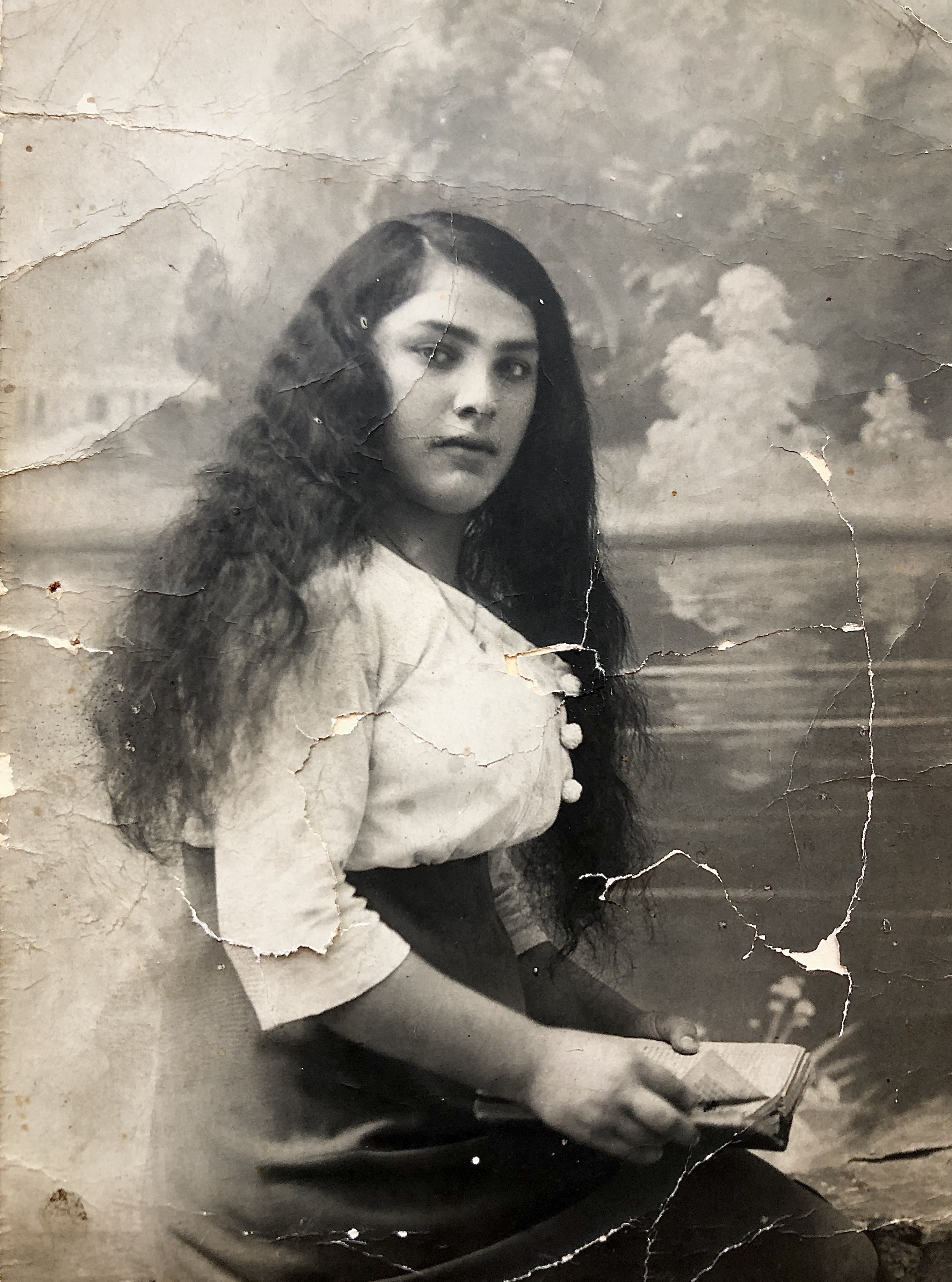
Photo of artist’s great-grandmother Photo credit: unknown photographer from Odesa,
Russia
1914.
Anna, Michelle Sider
Anna Glass mosaic, 2024
On loan from the artist
This portrait honors my great-grandmother, Anna, a strong and determined woman whose life
reflected
quiet defiance, resilience, and an unwavering commitment to what is right. Her fortitude and
moral
clarity continue to guide how I seek hope and light in times of uncertainty and danger.
Anna was born near Odesa, in a part of Russia that is now Ukraine, in 1894. By the time she was
twelve years of age, the Jewish community was living under constant threat. Russia was ruled by
Nicholas II, whose government enabled violent anti-Jewish attacks known as pogroms: sudden,
often
deadly assaults on entire communities. All of Anna’s relatives who could not escape were killed.
In
this climate of fear, she fled her home to find her brother David, a perilous journey for a
young
girl. At the same time, unrest was growing across Russia as poverty, inequality, and anger
toward
the Tsar were building toward the Russian Revolution.
David was a poet who spoke out against violence and was imprisoned for his words. Even in jail,
he
wrote on scraps of toilet paper, which Anna, still a young teen, bravely smuggled out, hiding
them
in her clothing, an early act of courage and resolve that would define her life. In this mosaic,
I
included fragments of writing by Leon Trotsky, whose early ideas about freedom and justice
influenced David. These fragments, visible beneath the blue glass of Anna’s skirt and the
iridized
clouds, symbolize her protection of his words.
The mosaic is based on a photograph of Anna at age 16, displayed nearby. Her determined
expression,
the book in her hand, and her confident pose reflect her love of learning—nearly impossible for
a
Jewish girl at that time—and her valor, strength, and steadfastness.
A year later, she married my great-grandfather Jacob, who faced danger for standing up against
violence. On their wedding night, their families scraped together enough money for them to flee
Odesa by rowboat across the Black Sea to Romania. After an arduous journey across the ocean and
a
brief stay in Canada, they settled in Detroit.
The original photograph traveled with Anna throughout this escape. Over time, it was damaged. In
the
mosaic, I highlighted the cracks with gold, inspired by the Japanese art of “kintsugi,” which
repairs broken objects with gold. It is a symbol of resilience and the beauty that can emerge
from
survival and trauma.
— Michelle Sider
I Am Yemenite Series Mixed Media 2020
For more than 2,000 years, a Jewish community lived in hundreds of isolated settlements across Yemen,
sustaining a culture rooted in ancient Jerusalem and passed down through generations. Historical
records dating as early as 110 BCE trace this long presence, shaped by scholarship, faith, and
enduring tradition. Separated from much of the wider world, Yemenite Jews maintained distinct
rituals, customs, and artistic practices through centuries of hardship and persecution. Much of this
history remained little known outside the community and was rarely represented in Western
accounts.
At its heart, this series honors these lives—their traditions, resilience, and a living cultural legacy,
sustained across generations but increasingly vulnerable to the pressures of assimilation.
My journey into this world—and the creation of these mosaics—began with the discovery of family
photographs from the 1950 airlift evacuation from Aden, a port city on the southern tip of the
Arabian Peninsula, to Israel. By then, Yemenite Jews were facing escalating violence, leading to a
covert rescue operation that brought nearly the entire community to Israel. These images revealed
intimate stories of survival, perseverance, and a deeply rooted legacy that this series seeks to
illuminate and honor.
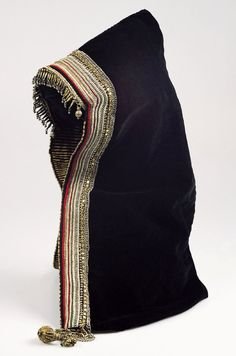
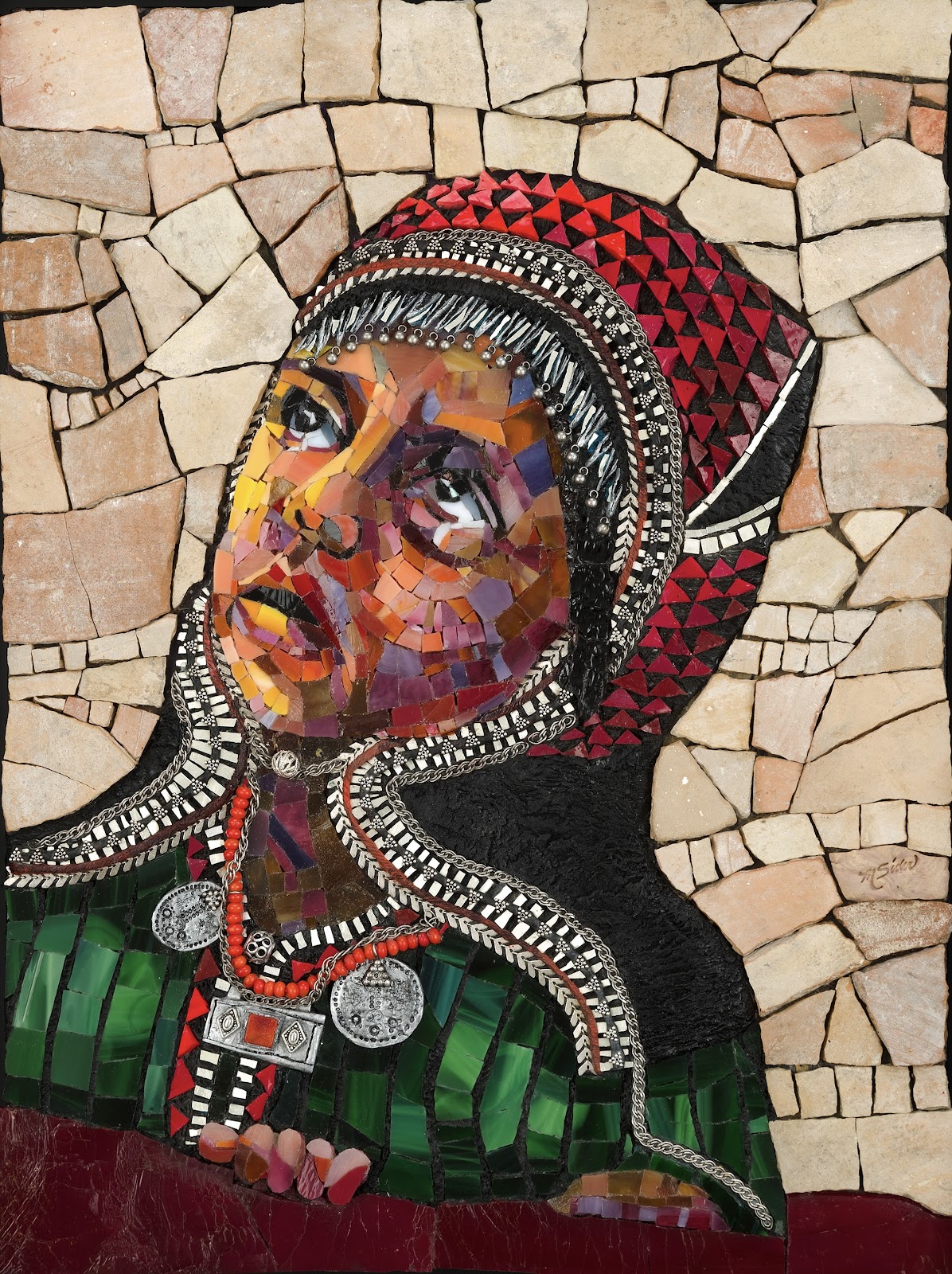
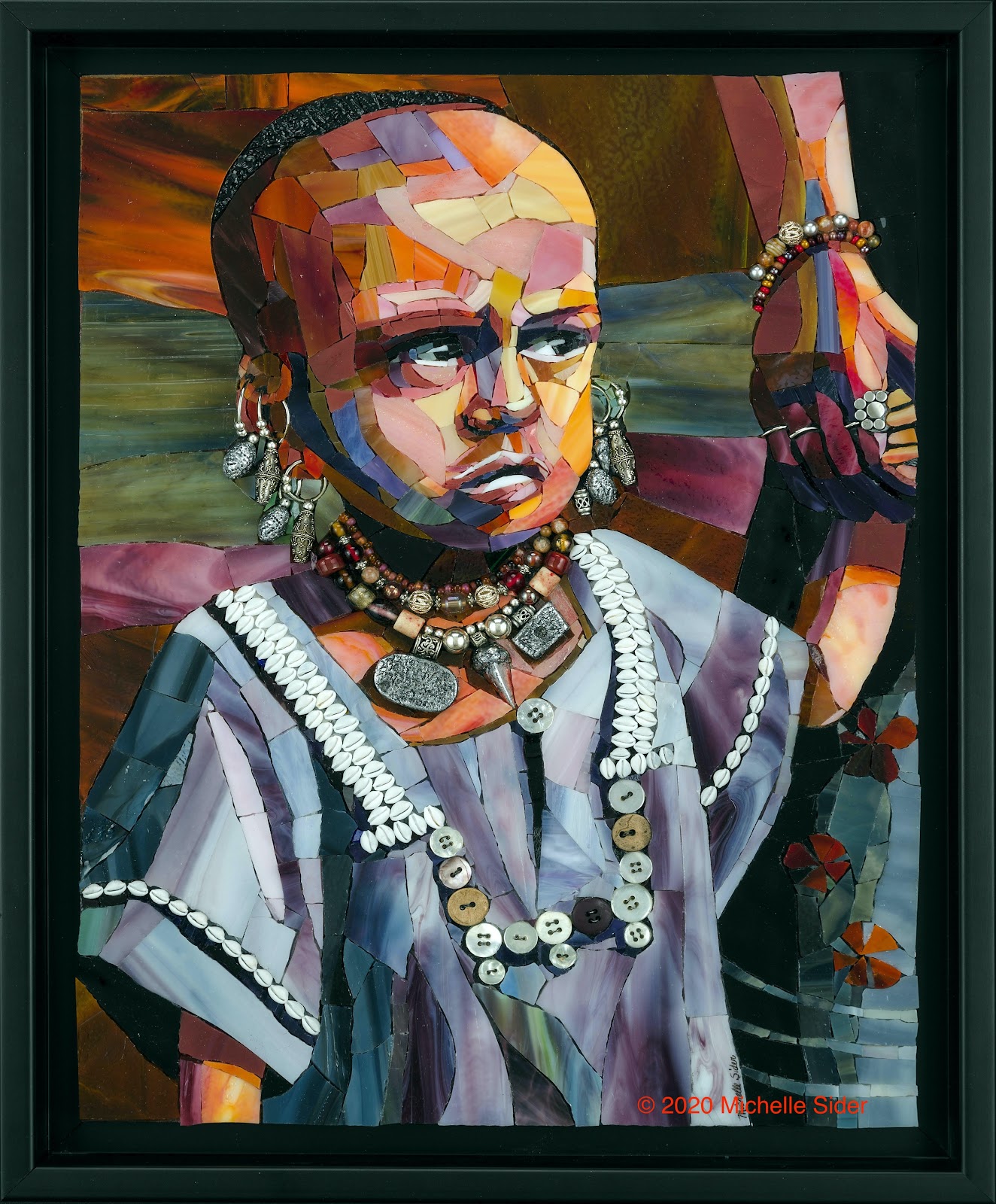
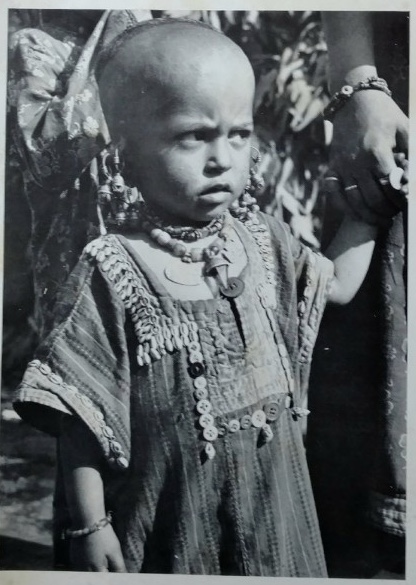
Yemenite girl’s hood, clothing style near Sana’a, Yemen, early 20th C.
Photo credit: “The Yemenites” The Israel Museum, Jerusalem.
Orphan's
Decree,
Michelle Sider
Over three years, I drew on family archives, historical photographs, manuscripts, books, museum
collections, and pilots’ records, while also speaking with descendants and non-Jewish Yemenis who
had lived alongside the community. Their voices helped shape each mosaic, grounding the work in
lived experience and a commitment to historical accuracy.
This collection also acknowledges the 1949–1950 rescue mission known as "Operation Magic Carpet,"
or
"On the Wings of Eagles," in which airplanes carried nearly the entire Jewish population of
Yemen—just under 50,000 people—to Israel. Yet this moment is only one part of a much longer
story.
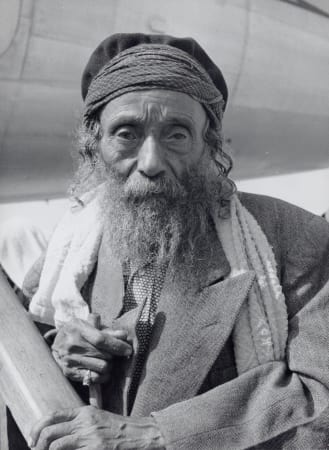
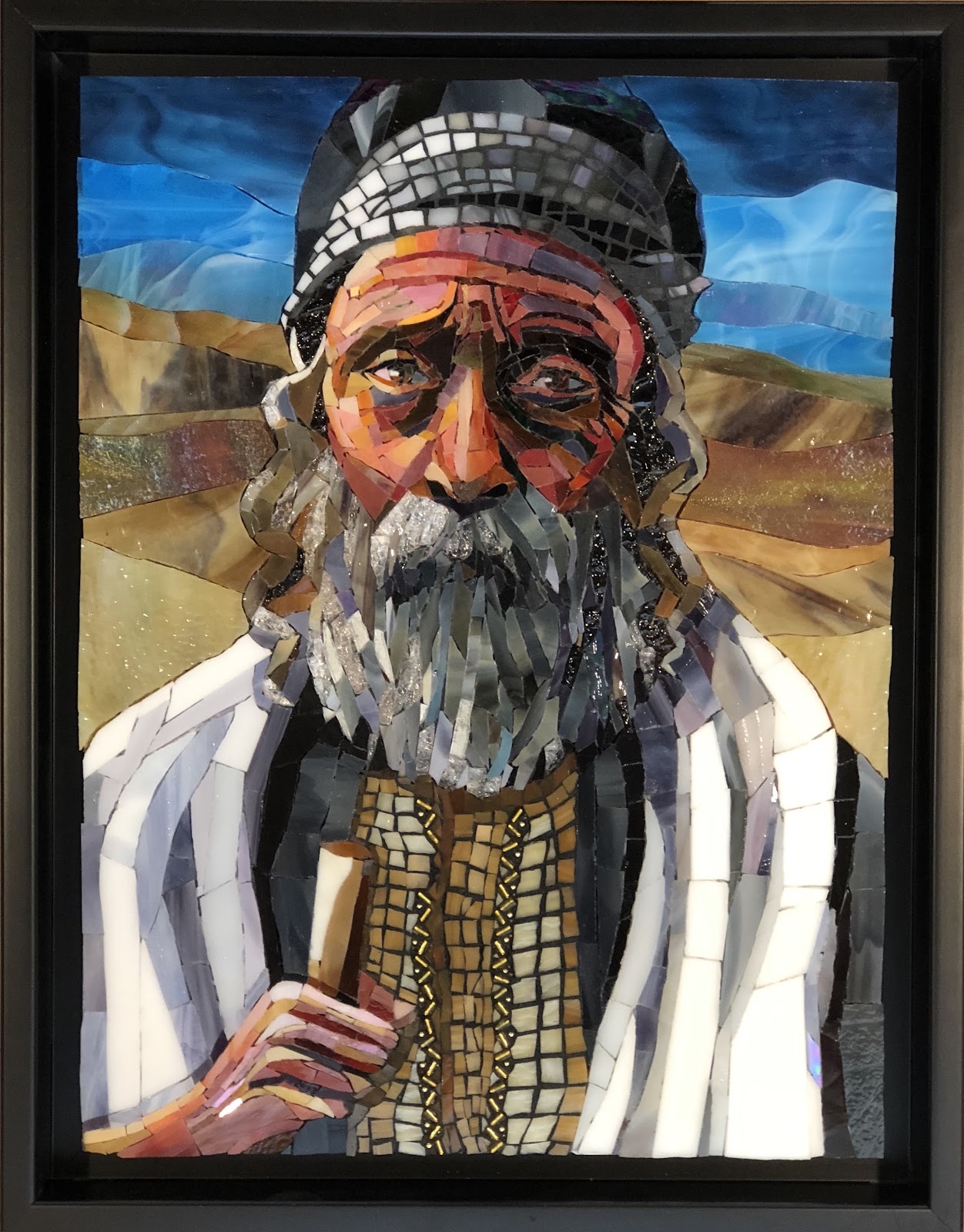
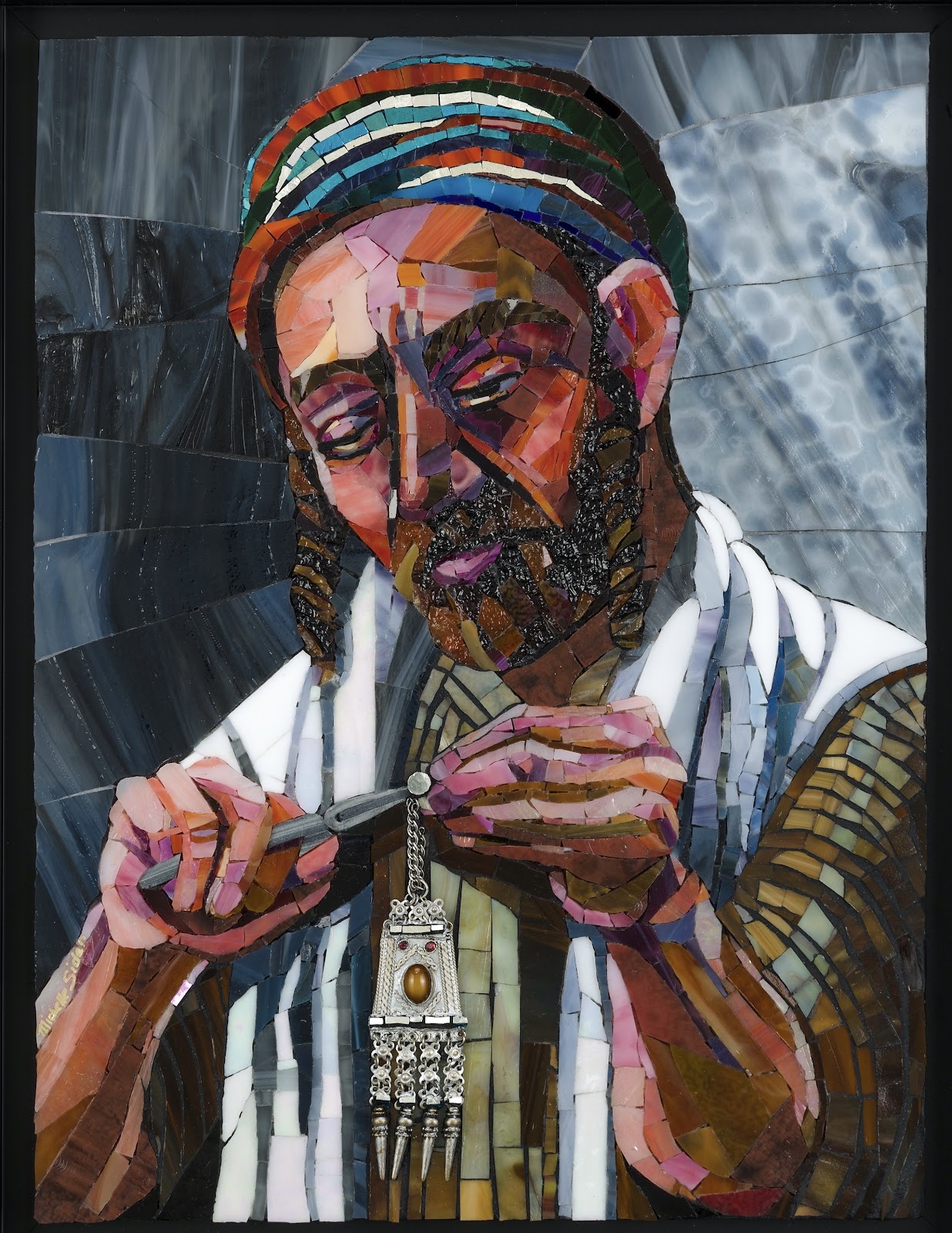
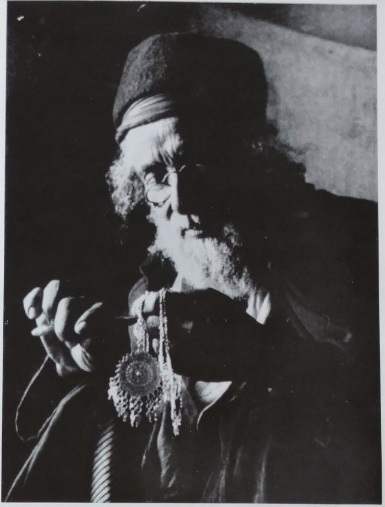
Yemenite Jewish man during the "On the Wings of Eagles" evacuation, 1949.
Photo credit: Bezalel National Museum, Jerusalem exhibition catalog 1950.
Long
Journey,
Michelle Sider
Child
Emigrants,
Michelle Sider
Yemenite Child during "On the Wings of Eagles" evacuation, 1949.
Photo credit: Bezalel National
Museum, Jerusalem exhibition catalog 1950.
When word spread that there was finally a way to leave Yemen and return to the Promised
Land—something recited in daily prayers for thousands of years—nearly the entire remaining
population set out, most traveling on foot from more than 1,000 regions. Survivors recalled leaving
behind nearly all possessions except Torahs, religious books, jewelry, and small valuables sewn into
their clothing.
The journey was perilous. Families crossed deserts and mountains, faced robbery and extortion, wild
animals, and endured severe shortages of food and water. Diseases spread rapidly, and many lives
were lost. Of an estimated 90,000–100,000 Jews in Yemen before the evacuation, roughly 50,000 were
ultimately transported—nearly all who remained.
Upon reaching Aden, refugees faced further hardship. Camps lacked adequate shelter, clean water,
food, clothing, and medical care. Overcrowding led to widespread illness, including dysentery. Some
of the family photographs that inspired this series show extended family members volunteering during
the evacuation mission, offering aid amid crisis.
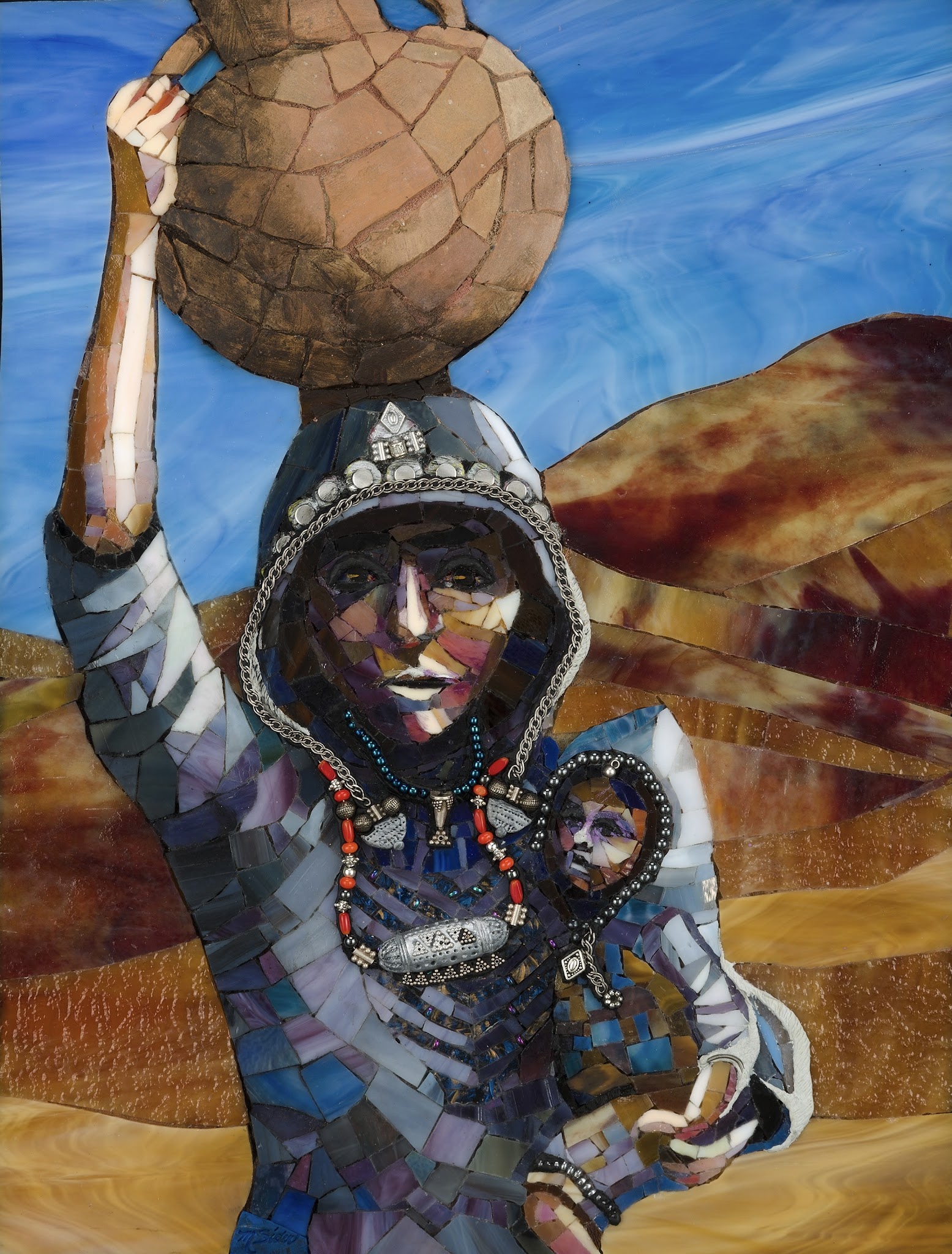
Water
Insecurity,
Michelle Sider
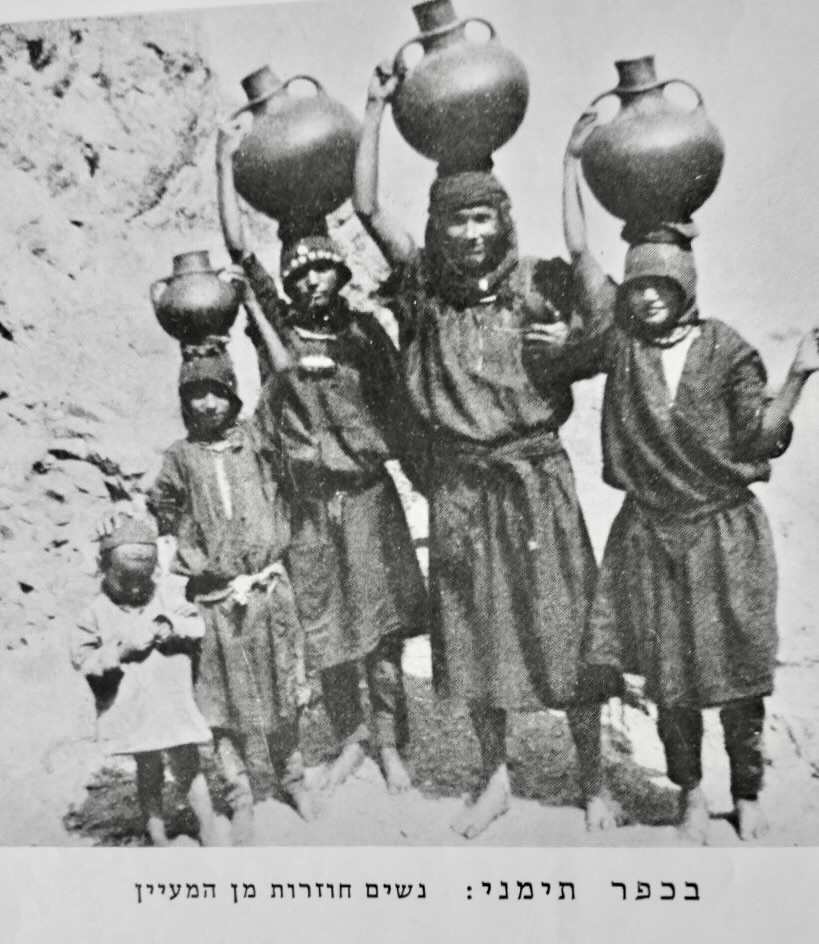
Translation: Women Returning from the Spring in a Yemeni Village. Photo credit:
Jewish National
Fund Archives.
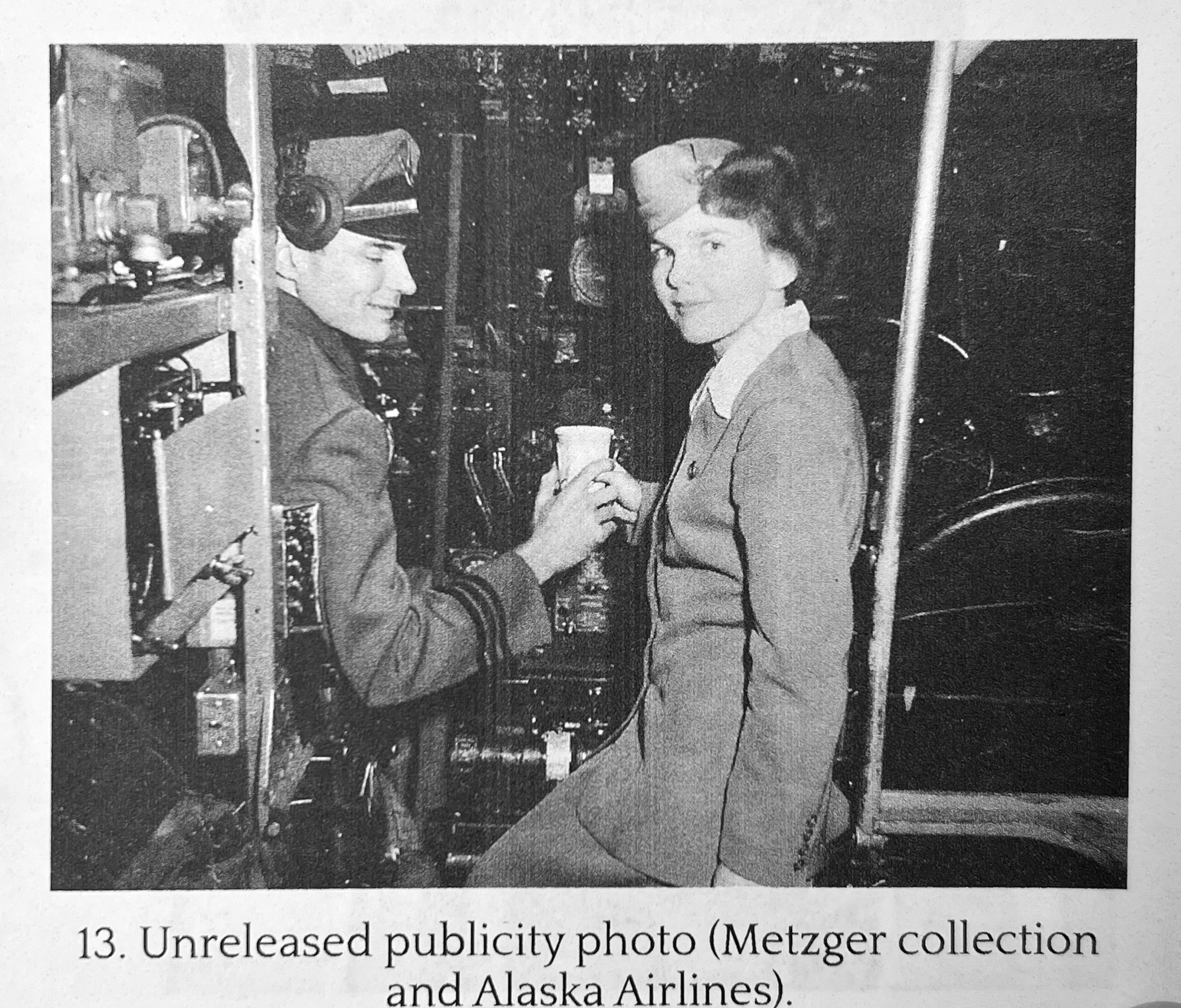
Despite these conditions, the airlift continued. Flights—operated by the fledgling Alaska
Airlines—were carried out under dangerous circumstances. Pilots flew at night without navigational
equipment, relying on simple compasses, the stars, and the Red Sea for guidance, while facing the
constant threat of gunfire. Over 11 months, crews risked their lives, refueling in Asmara, Eritrea,
to carry thousands to safety.
In researching this evacuation, it became clear to me that these Alaska bush pilots—accustomed to
working with limited supplies and unpredictable conditions—were uniquely suited to undertake such a
perilous mission.
For many, this moment echoed a centuries-old prayer: בכנף נשרים יקבצך B’kanaf nesherim
yekabetzecha — “On the wings of eagles You will gather them.”
To those witnessing the airlift—many seeing an airplane for the first time—the planes appeared like
great birds carrying their hopes and prayers. The journey marked both a return to the land of Israel
and the end of a continuous Jewish presence in Yemen that had endured for more than two
millennia.
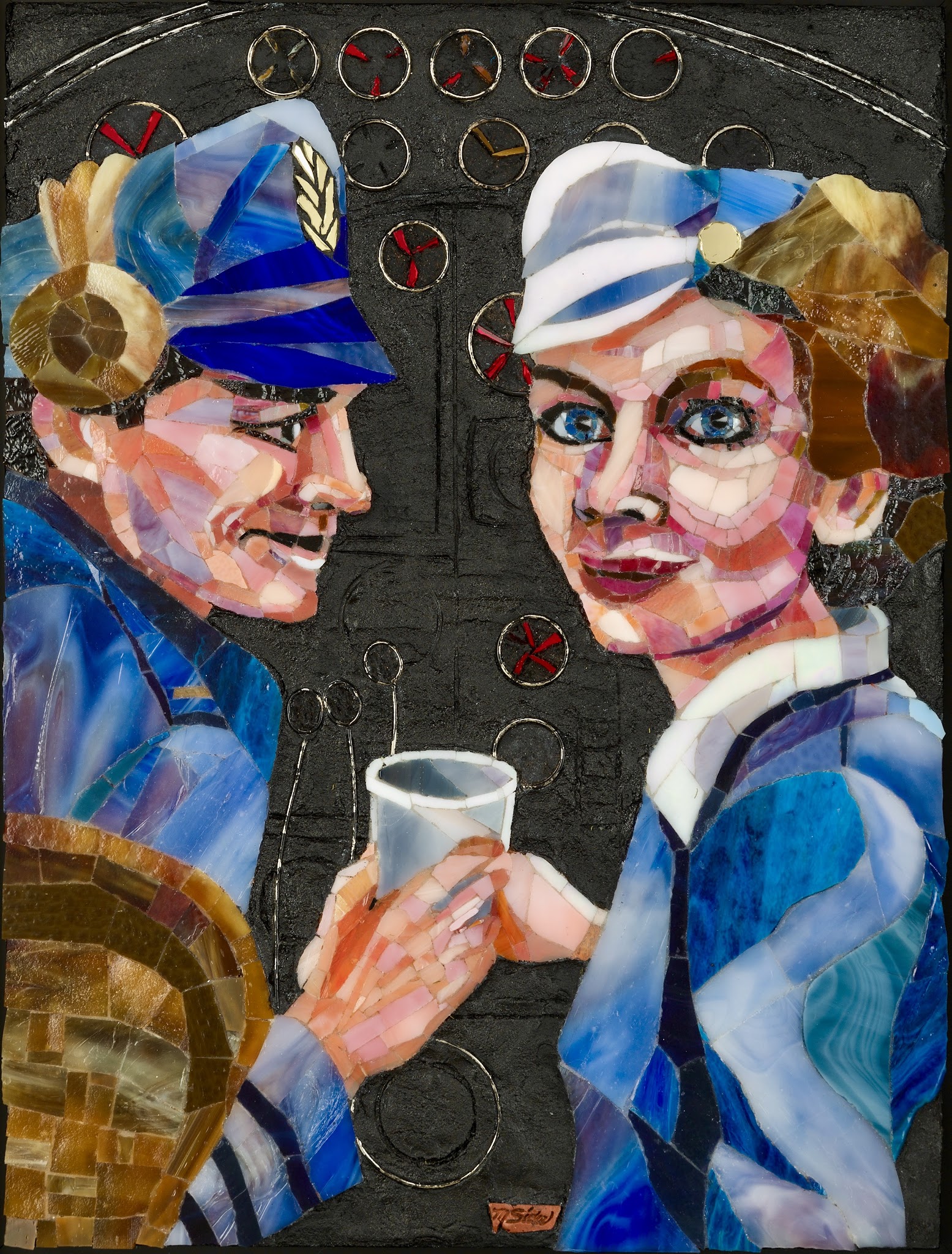
Pilot, Warren Metzger and Marian Liscomb during the "On the Wings of Eagles"
evacuation,
1949. Photo credit: Alaska Airlines, private collection of Darragh Metzger
Alaska Airlines,
Michelle Sider
This series seeks not only to remember that journey, but to honor the rich cultural and spiritual
life that came before it—and the traditions, artistry, and stories that continue beyond it.
In collaboration with Yemenite cultural centers, museum exhibits, and educational programs, I hope
this work helps sustain this legacy for future generations.
Click the link in each artwork’s caption to explore each work more deeply—uncovering layered stories,
cultural context, and
the materials that bring each mosaic to life.
— Michelle Sider
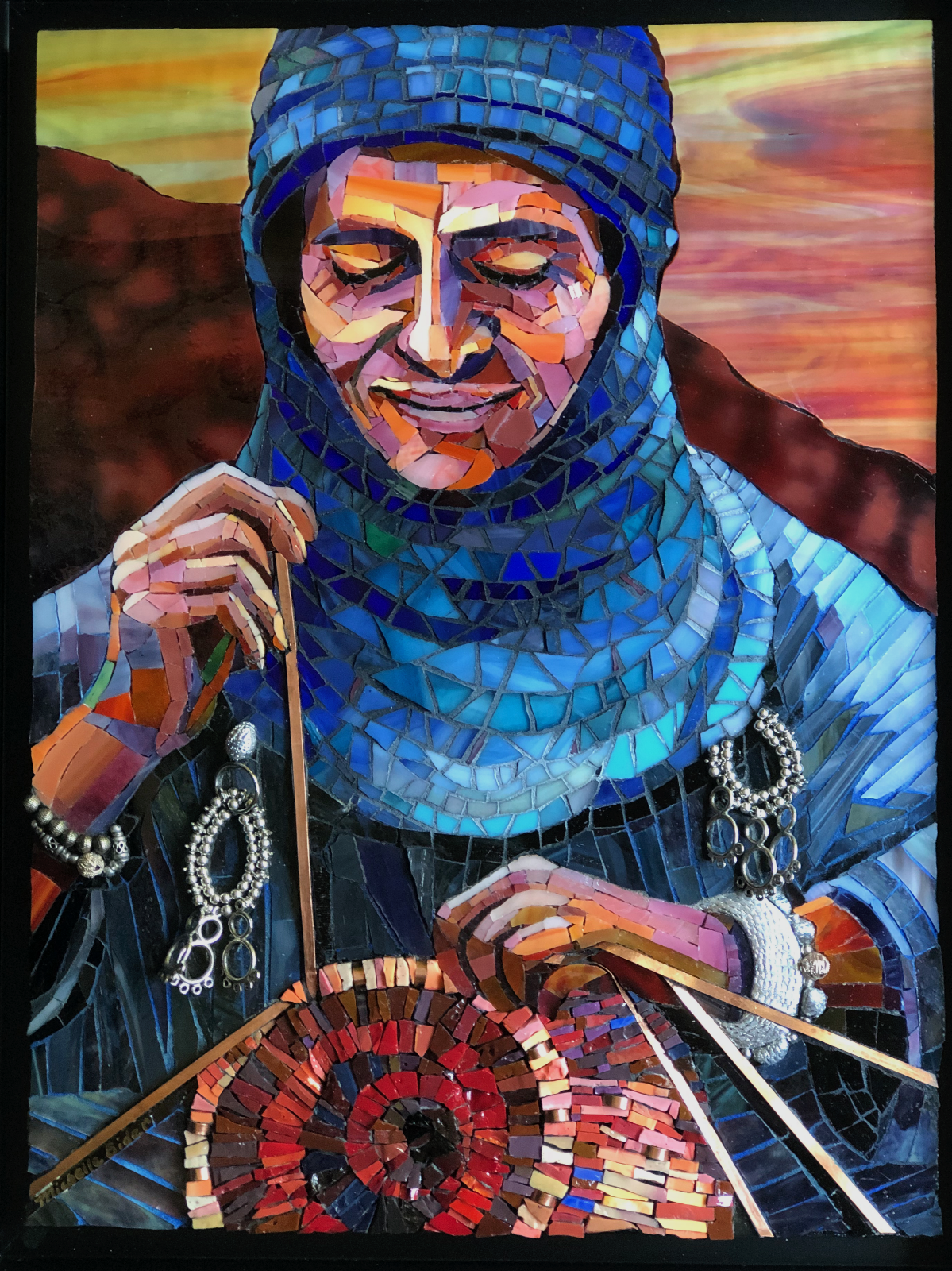
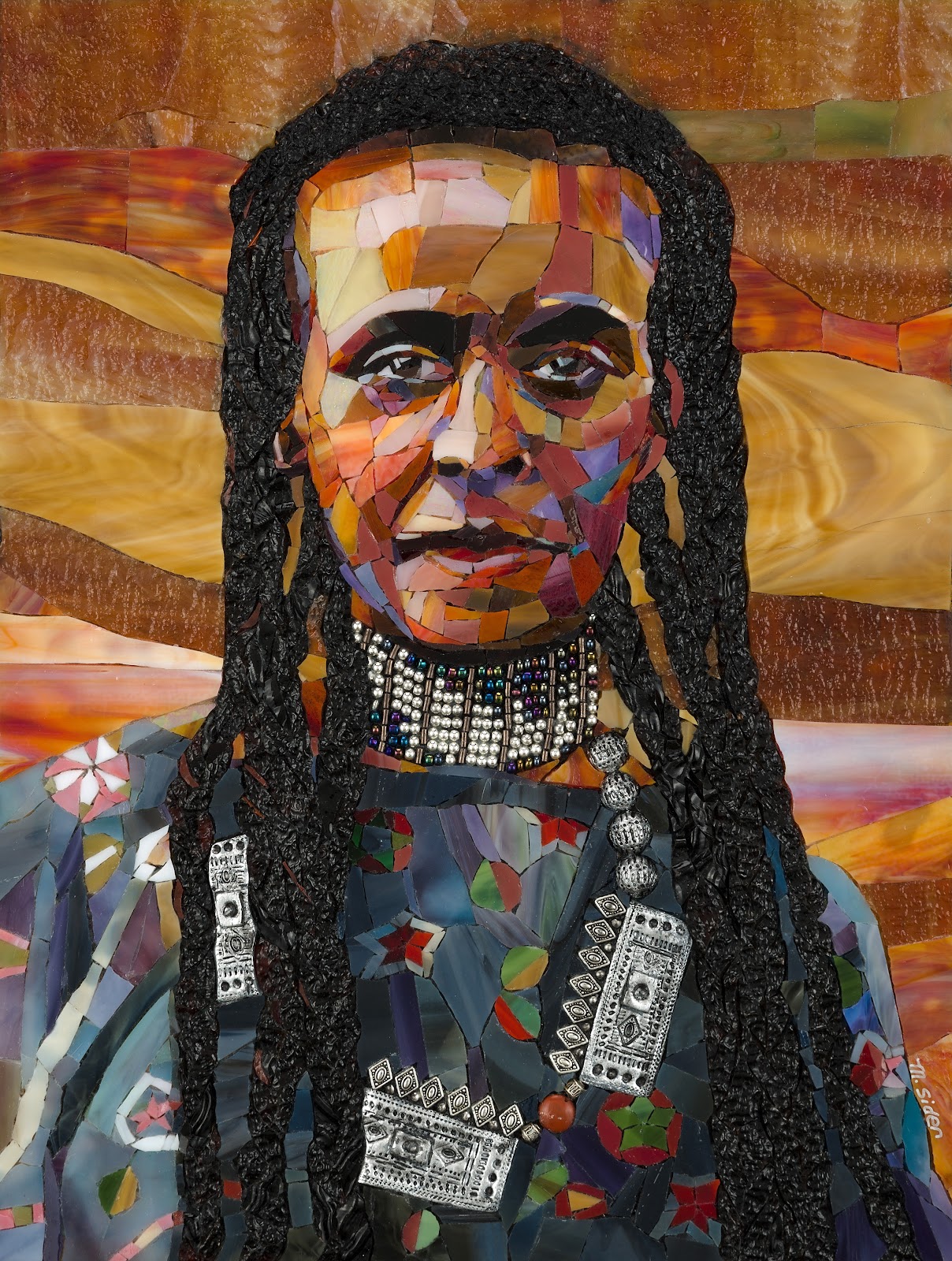
Proud
Heritage,
Michelle Sider
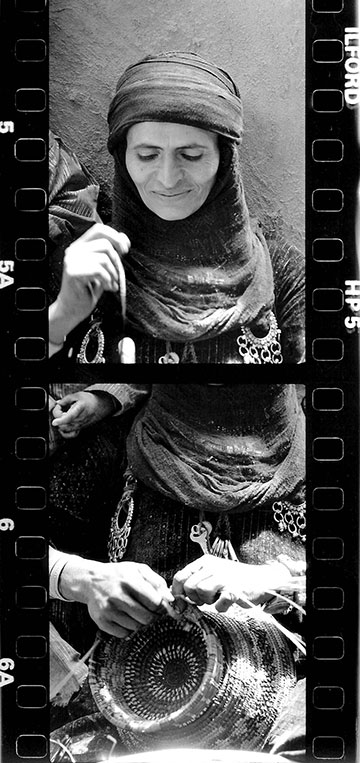
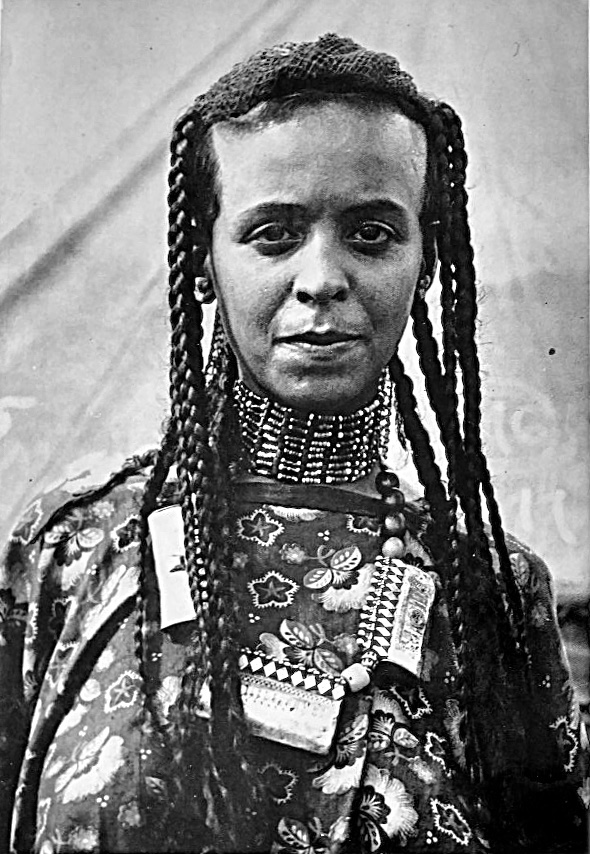
Yemenite Jewish woman from Haban, Eastern Yemen.
Photo credit: Bezalel National Museum, Jerusalem exhibition catalog 1950.
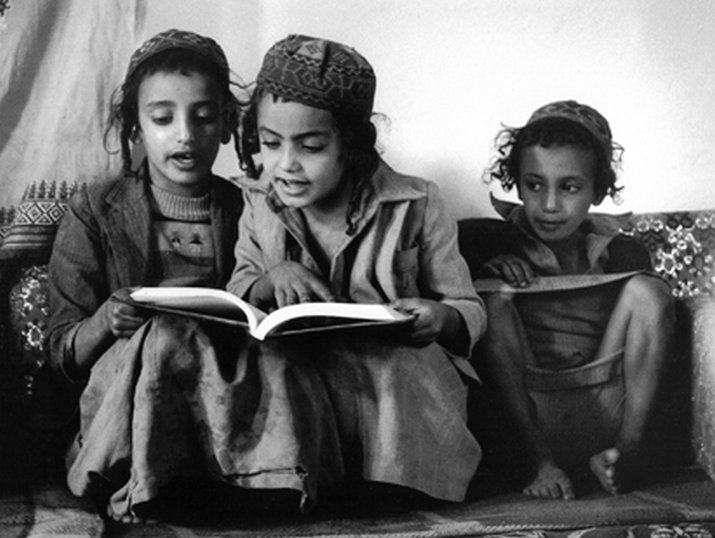
Yemenite Jewish boys reading Photo credit: Myriam Tangi 1963.
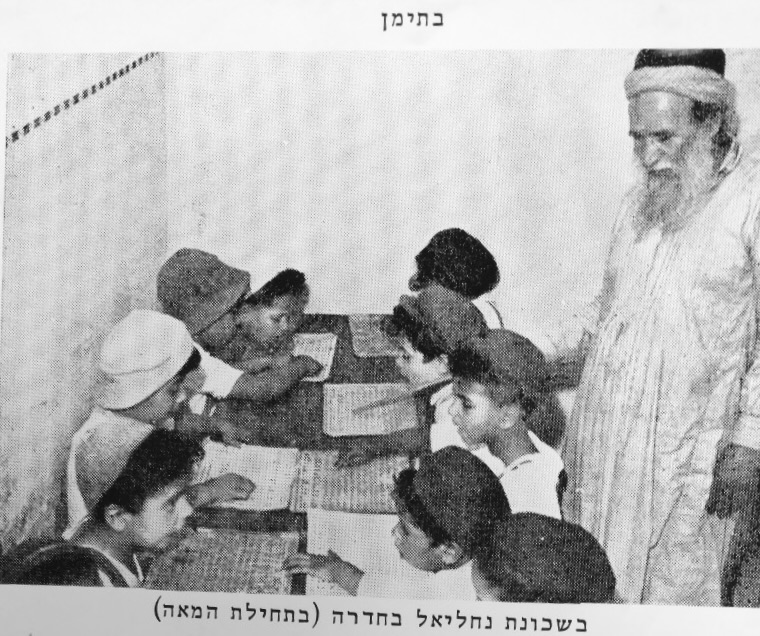
Yemenite Jewish boys learning with Rabbi
Photo credit: Jewish National Fund Archives. Translation: In Yemen, Nachaliel village in Hadera,
early
20th C.
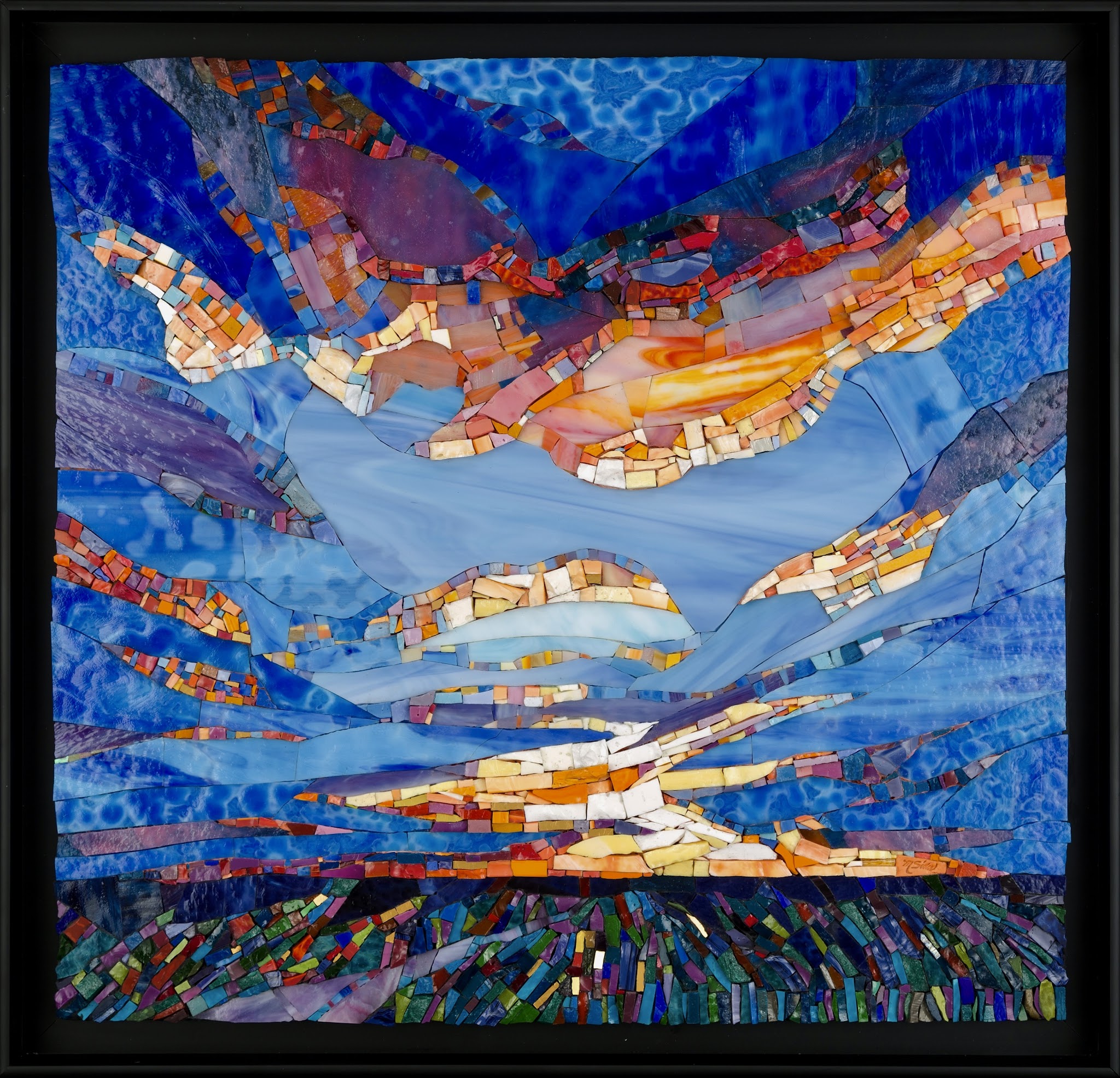
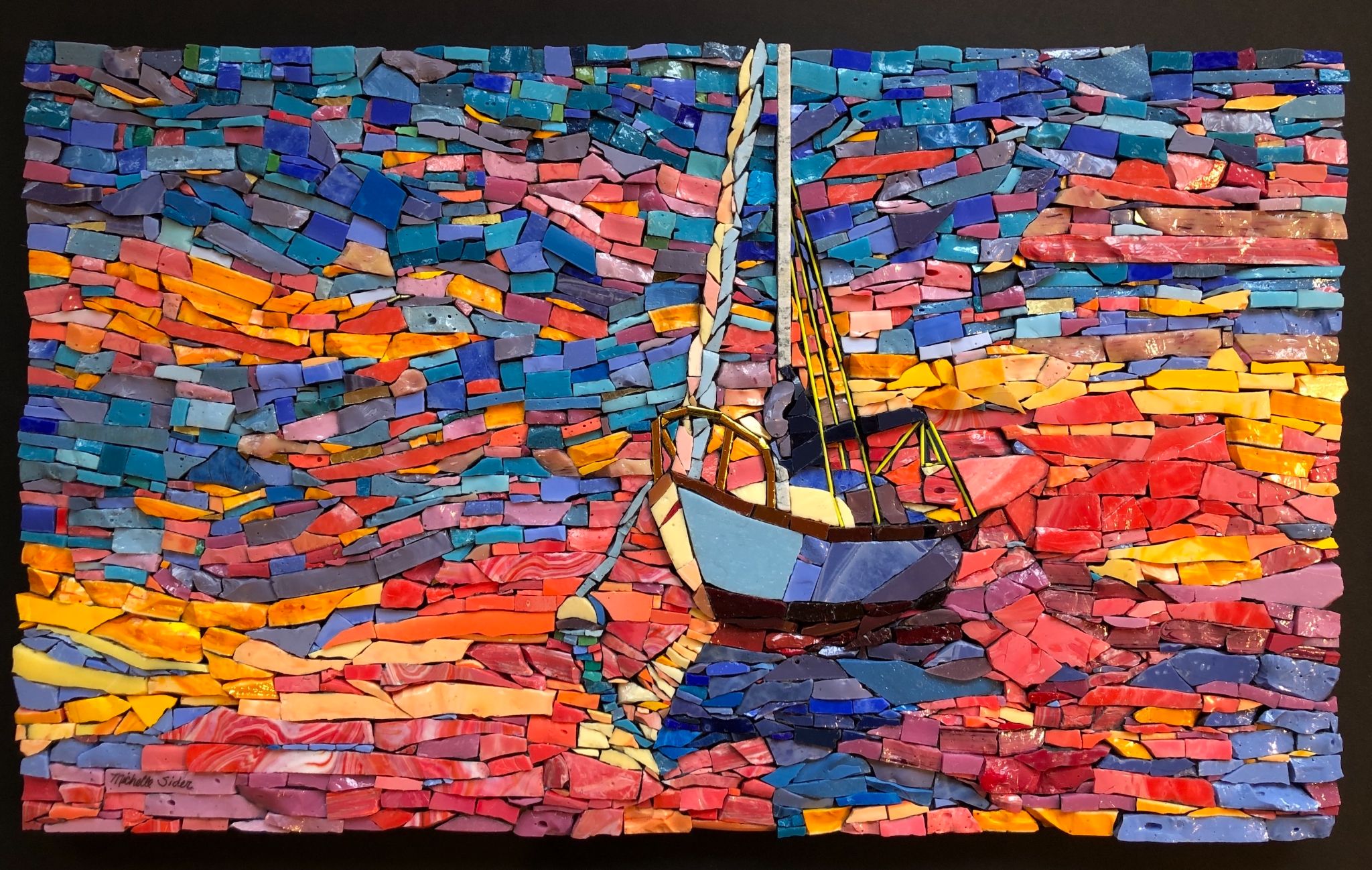
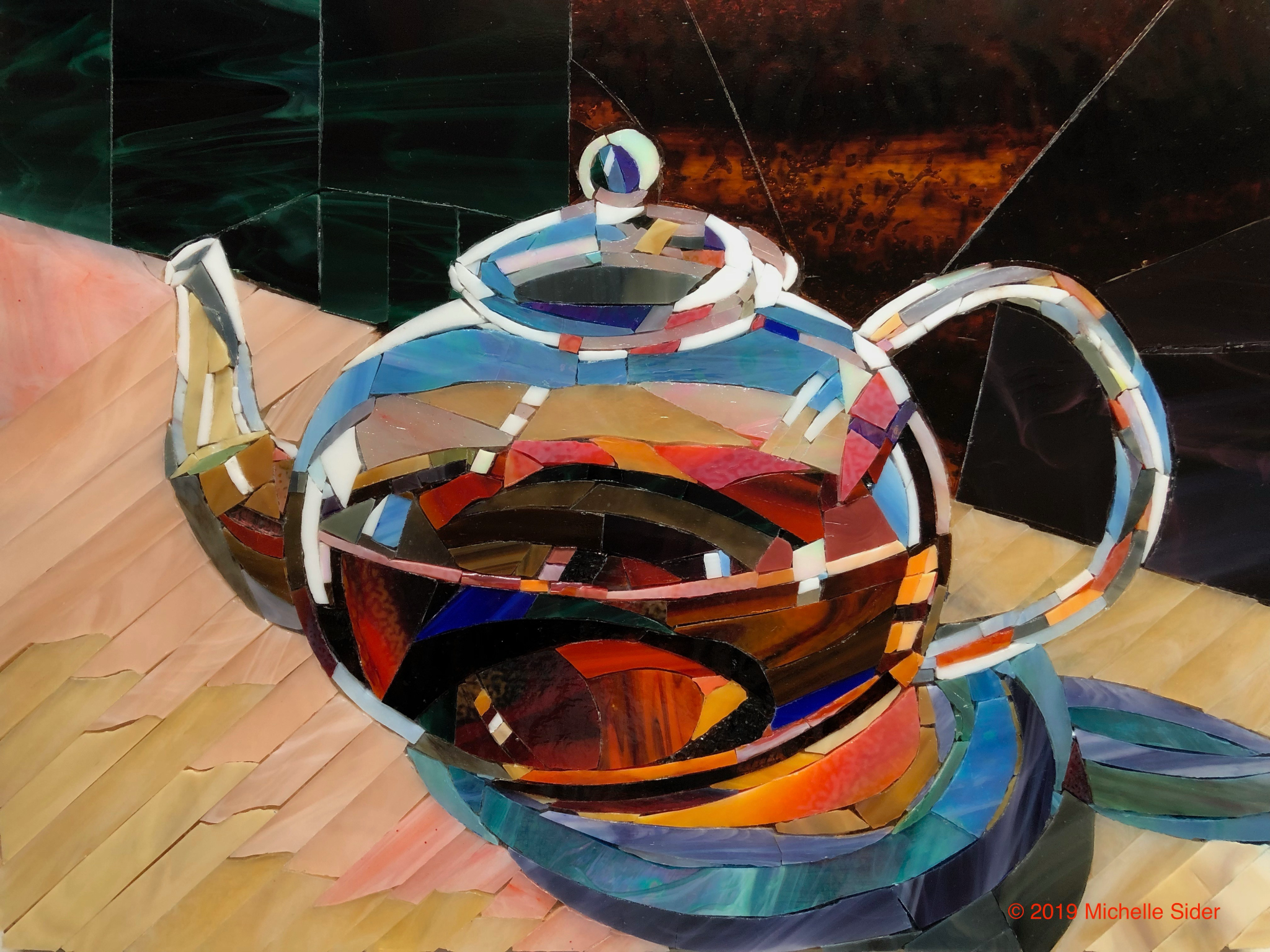
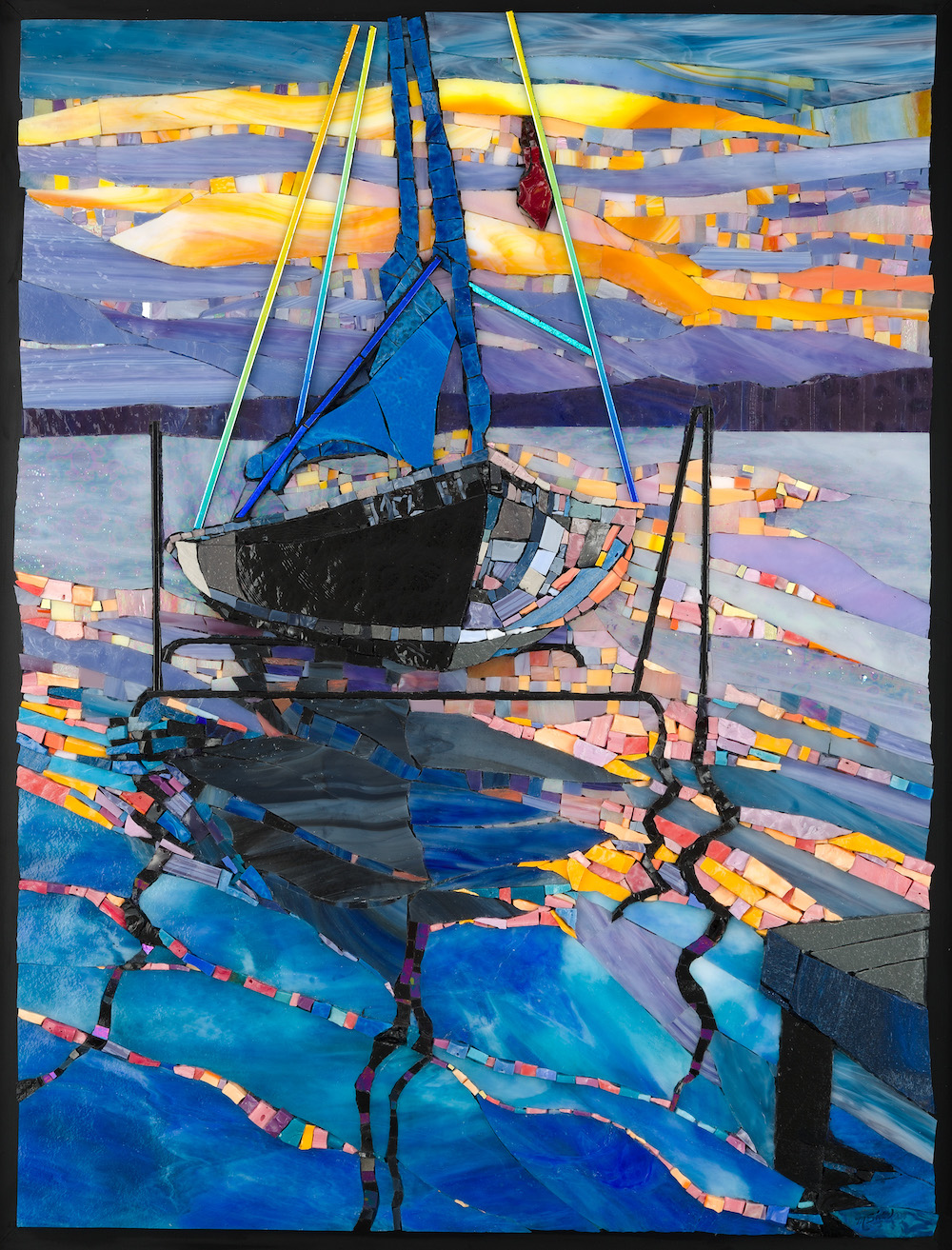
In this series, light is both subject and guide. Through close observation of often-overlooked
details—textures in ice, fleeting shadows, subtle reflections, or quiet moments in everyday
objects—these
mosaics reveal what might otherwise go unnoticed. They explore how light transforms color, texture,
value,
shape, and perception, turning ordinary moments into quietly extraordinary experiences.
Some works grew from awe and gratitude for the natural world; others responded to the challenges of the
Covid-19 pandemic, reflecting a search for spiritual light or simple appreciation for beauty when we
choose
to notice it. Through these works of art, I turn intentionally toward light, spirituality, and
gratitude.
Composed of glass, metals, and stone, these mosaics feature textured, angled surfaces that absorb,
reflect,
or refract light differently throughout the day. Angling, chiseling, and layering allow each surface to
shimmer and evolve. From a distance, the tesserae flow together into painterly compositions; up close,
each
fragment catches and reflects the light, revealing a richly textured surface of intricate detail that
invites viewers to slow down and look closely.
Rhythmic patterns and layered surfaces move the work between realism and abstraction. Nature remains at
the
core—a continual source of awe, inspiration, and spiritual connection. Whether celebrating joy, seeking
clarity, or exploring distortions created by light and shadow, these mosaics are an exuberant
exploration of
illumination in our lives.
— Michelle Sider
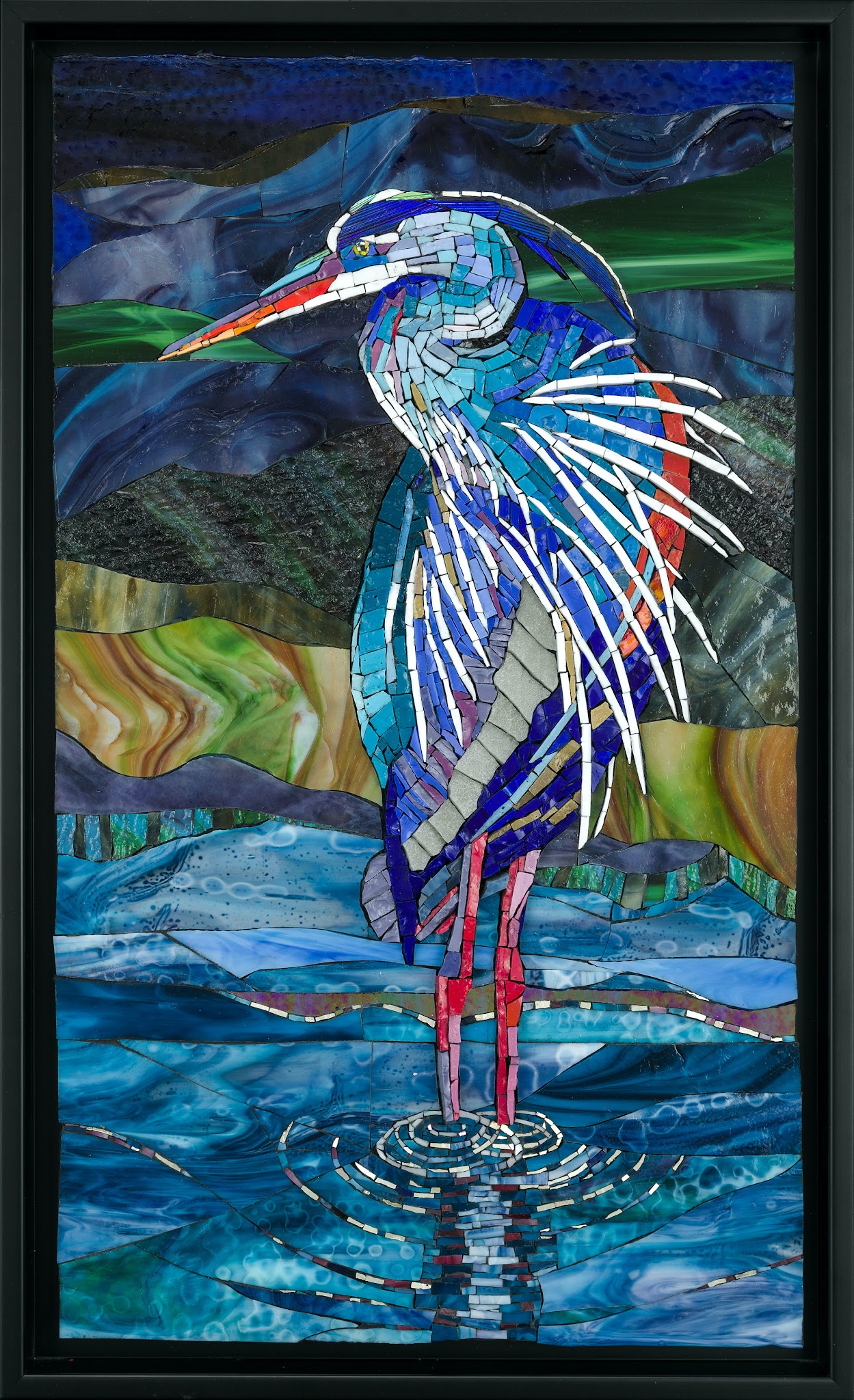
Blue Heron, Michelle Sider
Glass Teapot, Michelle SiderLifted on the Lake, Michelle Sider
Light Endures
This series emerged from recent years marked by fear, rupture, and rising antisemitism. Beauty alone no
longer felt sufficient; the work needed to confront fracture and vulnerability directly.
Cracks, fissures, and layered materials—first explored through the shattered glass and ruptured
landscapes of
“Shattered”—serve as metaphors for brokenness and endurance. Earlier celebrations evolve into more
complex
compositions that hold both fracture and hope.
Revisiting past landscapes and portraits, I deconstruct and reconstruct forms, inviting reflection on
resilience, survival, and shared humanity.
The final piece, “Resilience,” brings the exhibition full circle—affirming that while darkness is
inevitable,
light persists.
— Michelle Sider
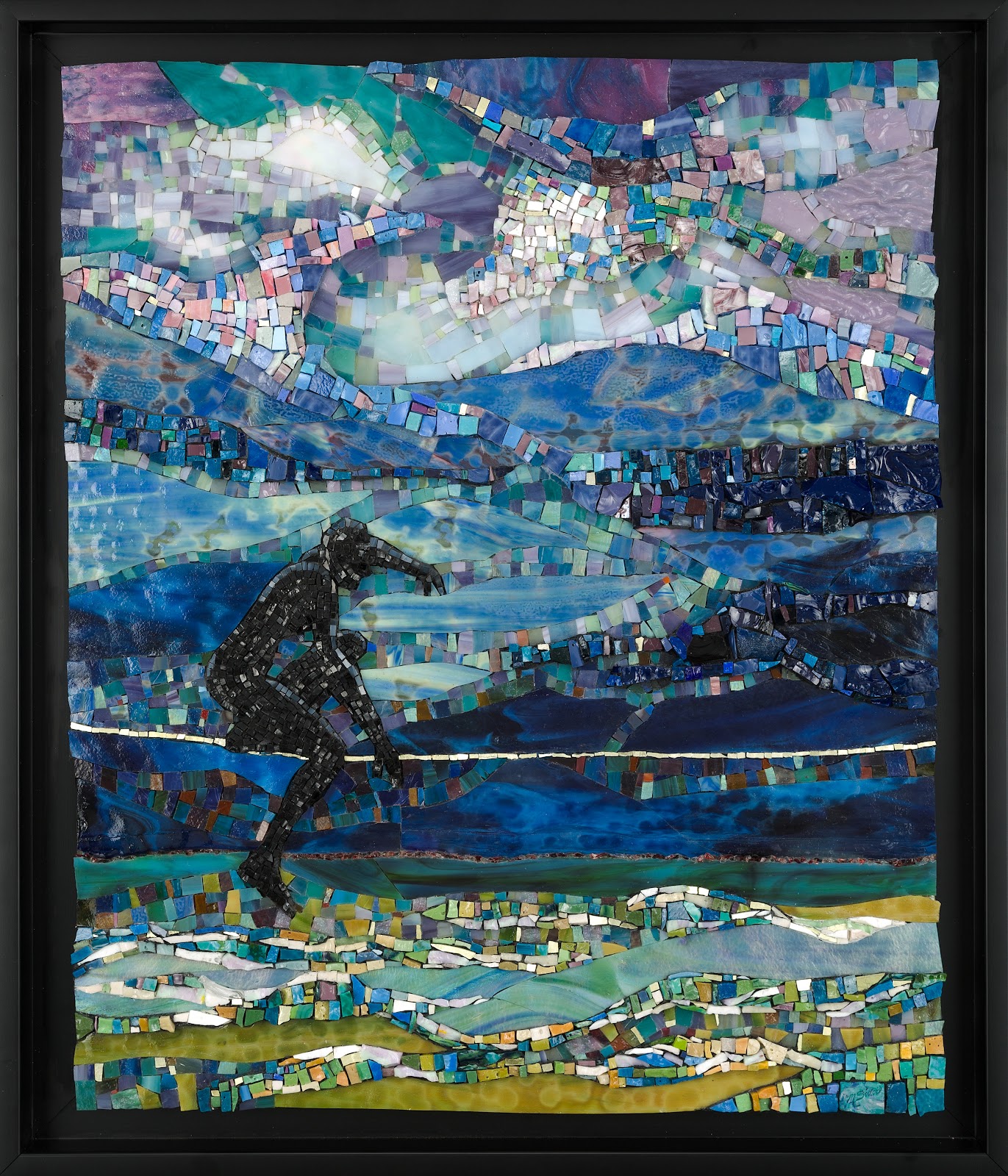
Balancing Act, Michelle Sider
Balancing Act Glass mosaic, 2024
On loan from the artist
There are moments when the world feels as if it might swallow you, when fear, chaos, and
uncertainty pull you toward an abyss. “Balancing Act” lives in that space. A solitary figure
teeters on a thin rope stretched across storm-dark skies and churning waters, uncertain yet
resolved to hold on. Are they falling, recovering, or rising? The moment is suspended—fragile,
tense, and held together by the quiet resolve it takes to survive.
This work grew out of a time of intense fear. My oldest son’s army unit was searching for
hostages in Gaza. My younger son faced antisemitism on campus. My third son filmed Jewish events
daily, placing him at risk. Increased security at our synagogue and community centers in the
Detroit area reinforced a constant sense of exposure. My long-held awareness of vulnerability
deepened into grief, outrage, and an urgent need to keep moving forward.
I first created the acrylic painting displayed beside this mosaic to express these emotions.
Transforming it into a mosaic became a way to process them. Cutting and placing hundreds of
glass pieces slowed me down and quieted the panic.
The gold tightrope is a fragile yet enduring lifeline symbolizing survival, perseverance, and
trust in what cannot be seen. As light shifts across the surface, the glass reflects both danger
and the possibility of something brighter ahead.
“Balancing Act” is not about one person. It is about all of us. It invites us to consider our
own
moments of uncertainty—the storms we navigate, the lifelines we trust, and the courage it takes
to keep moving forward. Even in the most unsteady moments, there is resilience, and beyond the
darkness, the promise of light.
— Michelle Sider
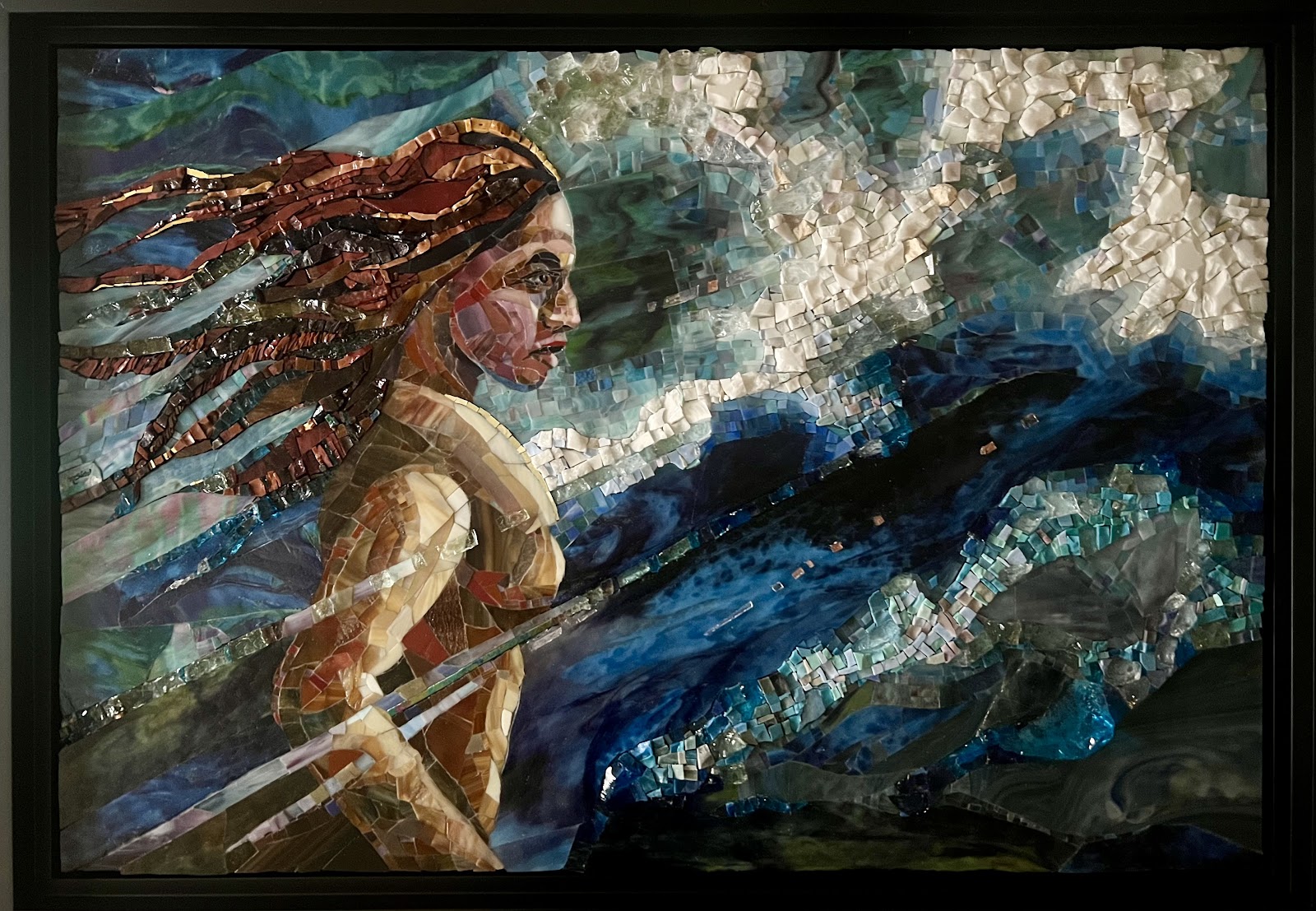
Resilience, Michelle Sider
Resilience Glass mosaic, 2026
On loan from the artist
“Resilience” is the final piece I created for this exhibition. It grew out of my response to
the
alarming rise in antisemitism worldwide. The mosaic reflects what it means to confront hatred
and
bigotry directly. The woman faces an oncoming storm with her eyes open and a steady, resolved
expression. Even in the midst of this maelstrom, light persists—subtle but present—symbolizing
hope
and the possibility of clarity beyond turmoil. This work is about meeting hatred head-on, not
with
rage, but with strength, courage, and an enduring belief that goodness can prevail.
I began with a charcoal drawing, created as an immediate response to my feelings. The rawness of
charcoal expressed my emotion with urgency, and the drawing felt powerful on its own. But
transforming it into a glass-and-stone mosaic allowed something even more profound to
emerge.
I incorporated actual Jerusalem stone fragments shattered from a building in Tel Aviv during an
Iranian missile attack in the 12-day war. My son collected these pieces after spending much of
his
visit in bomb shelters and brought them home to me, knowing I would want to incorporate them
into
the work. These stones carry lived experience—fear, endurance, and survival—grounding the mosaic
in
both intimate and historical reality.
Resilience invites viewers to consider how we confront danger and hatred, and how strength,
hope,
and
light can persist even in the darkest moments.
— Michelle Sider
Artist Bio: Michelle Sider
Michelle Sider is a Michigan-based mixed-media and mosaic artist whose lifelong relationship with light
began
as a child captivated by the sunbeams that streamed through her family’s windows. That early fascination
has
evolved into a distinctive body of glass mosaic work exploring the physical, emotional, metaphorical,
and
spiritual dimensions of illumination.
Sider earned her BFA with honors from the University of Michigan, followed by an M.A. and Ph.D. in
Clinical
Psychology from the University of Detroit. Her parallel career as a psychologist and educator deeply
informs
the themes of healing, resilience, and introspection that run through her work. Her mosaics, shaped by
her
foundations in painting, ballet, and sculpture, are known for their flowing movement, layered textures,
and
painterly use of glass, stone, and metal.
Sider’s work has garnered numerous awards and is represented in galleries across the United States. She
has
exhibited nationally and internationally, including being named one of the top 20 artists in ArtPrize. A
respected voice in the field, she speaks at mosaic conferences and arts organizations and teaches
workshops
throughout the U.S. and abroad.
In addition to her studio practice, Sider co-authored and illustrated "Never Long Enough" and "Never
Long Enough Workbook/Coloring Book," utilizing her background in psychology to provide
compassionate
guidance for individuals navigating grief, loss, and legacy work.
Exhibition Events
Opening Reception
Wednesday, May 20, 2026, 5:00pm - 7:00pm
Stamelos Gallery Center
Artist talk at 6:00 p.m. Reception is free to the public, free parking in UM-Dearborn lot. Complimentary wine and hors d'oeuvres provided. Due to a generous donation, the wine as well as a selection of the hor d'oeuvres will be Kosher.
The Stamelos Gallery Center is located on the first floor of the Mardigian Library at the University of Michigan-Dearborn. For more information, see below for contact information. Anyone requiring accommodations under the provisions of the Americans with Disabilities Act should contact lacotton@umich.edu.
Featured University Art Collection Piece
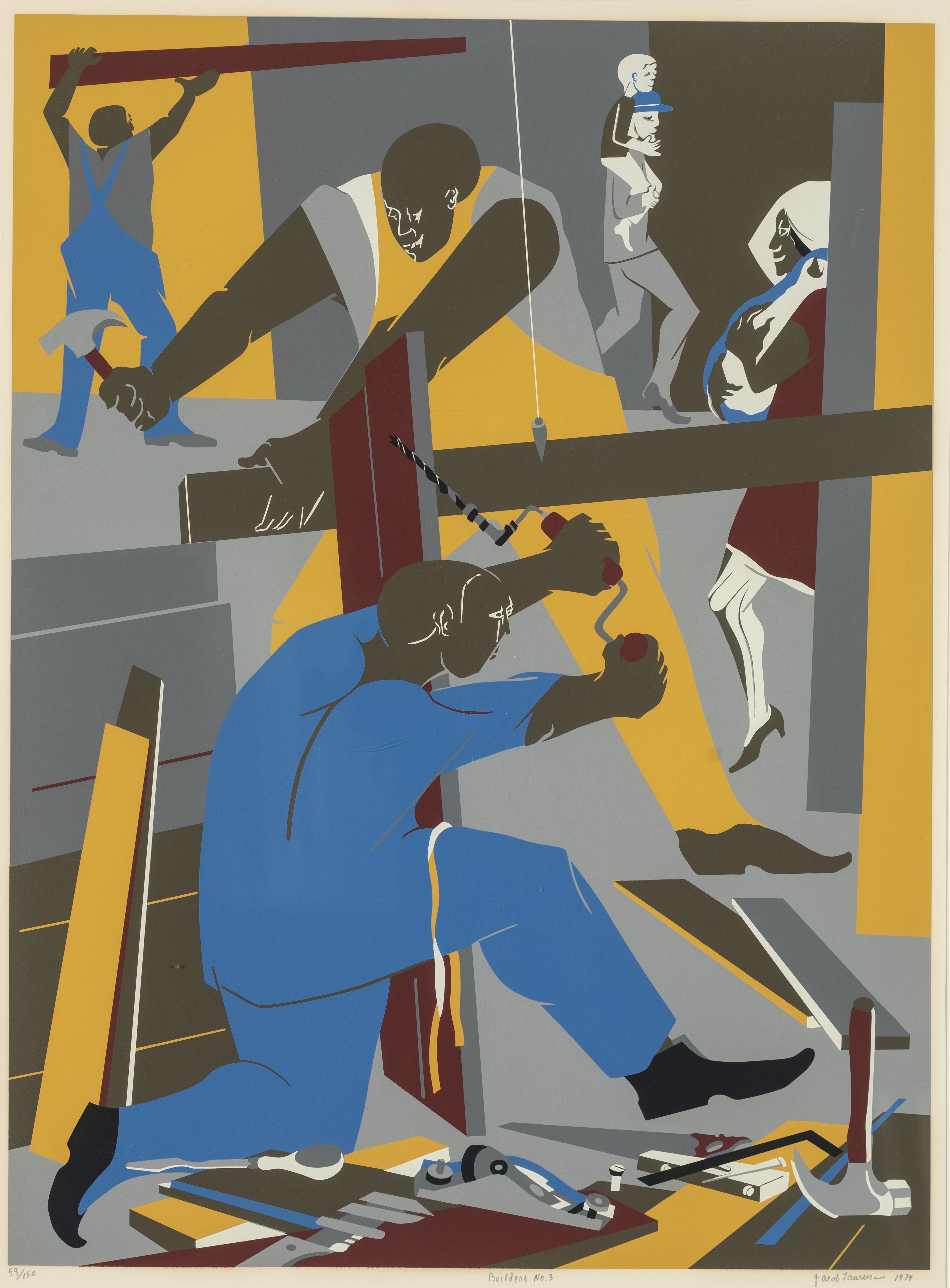
Builders No. 3,
Jacob Lawrence (1917-2000), Serigraph print, 1974
Gift of Gilbert M. Frimet, Collection of UM-Dearborn (1980.065)
Photographed by Tim Thayer
This powerful serigraph print from the permanent collection was created by Jacob Lawrence (1917-2000), one of this century's most widely acclaimed artists.
Lawrence was born in Atlantic City, New Jersey, but moved to Harlem, New York, at 13. He is among the few painters of his generation who grew up in a Black community, received instruction primarily from Black artists, and was influenced by the experiences of Black individuals.
Lawrence's artwork portrays the lives and struggles of the Black community, capturing their experiences through several series focused on figures such as Toussaint L'Ouverture, Frederick Douglass, and Harriet Tubman, as well as themes related to life in Harlem and the civil rights movement of the 1960s. His style is characterized by vibrant colors and abstract forms.
In the 1940s, during a time of widespread segregation, Lawrence broke racial barriers by becoming the first Black artist whose work was acquired by the Museum of Modern Art in New York City.
He stated, "If at times my productions do not express the conventionally beautiful, there is always an effort to express the universal beauty of man's continuous struggle to lift his social position and to add dimension to his spiritual being."
Researched and written by:
Julianna Collins, Stamelos Gallery Center former intern, UM-Dearborn art history/museum studies graduate, Class of 2025