Exhibition
Denise Willing Booher: Soulful Reflections on Nature and Humanity
Thursday, Jan. 28, 2027 - Sunday, Apr. 25, 2027
About the Exhibition
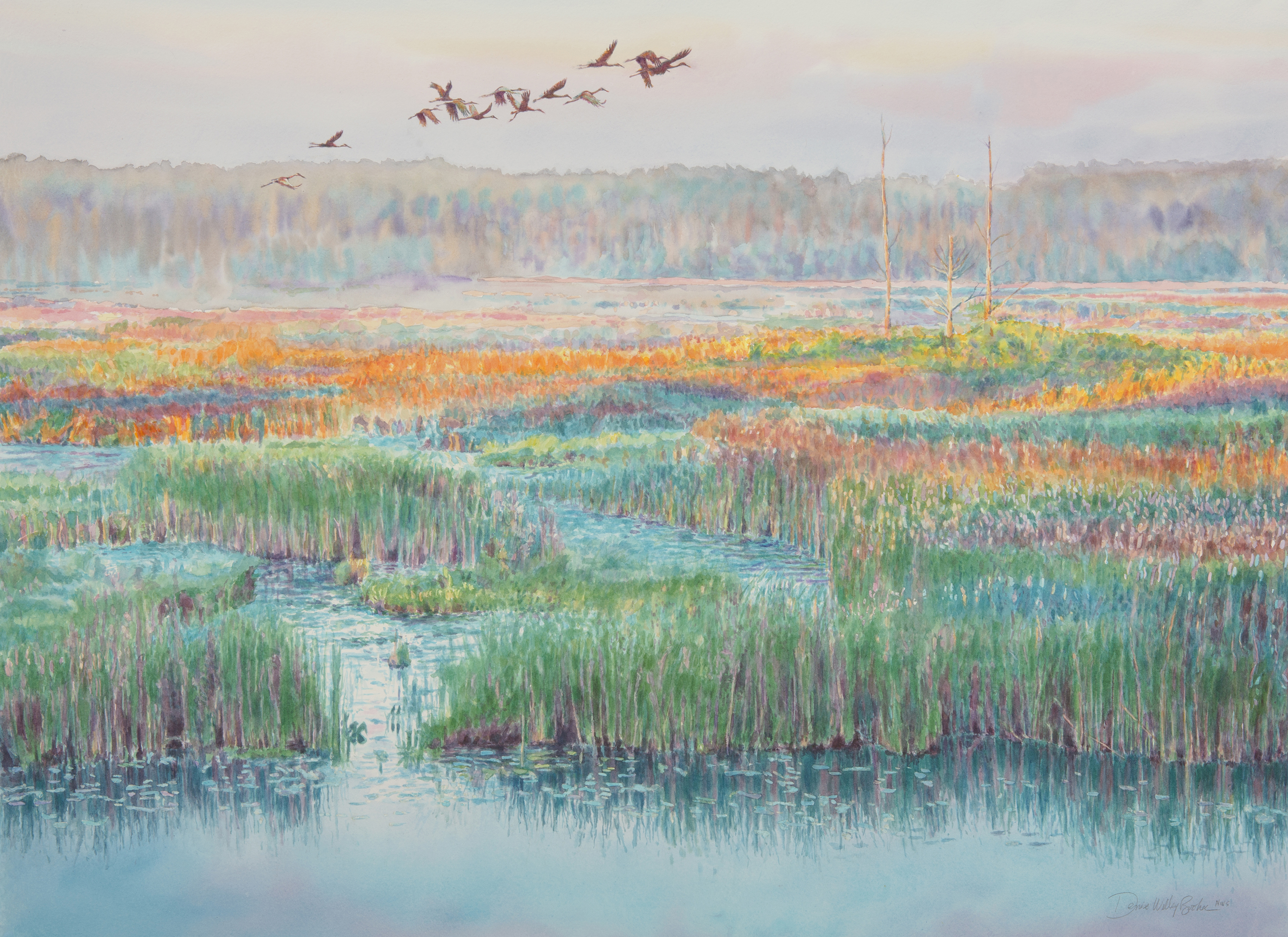
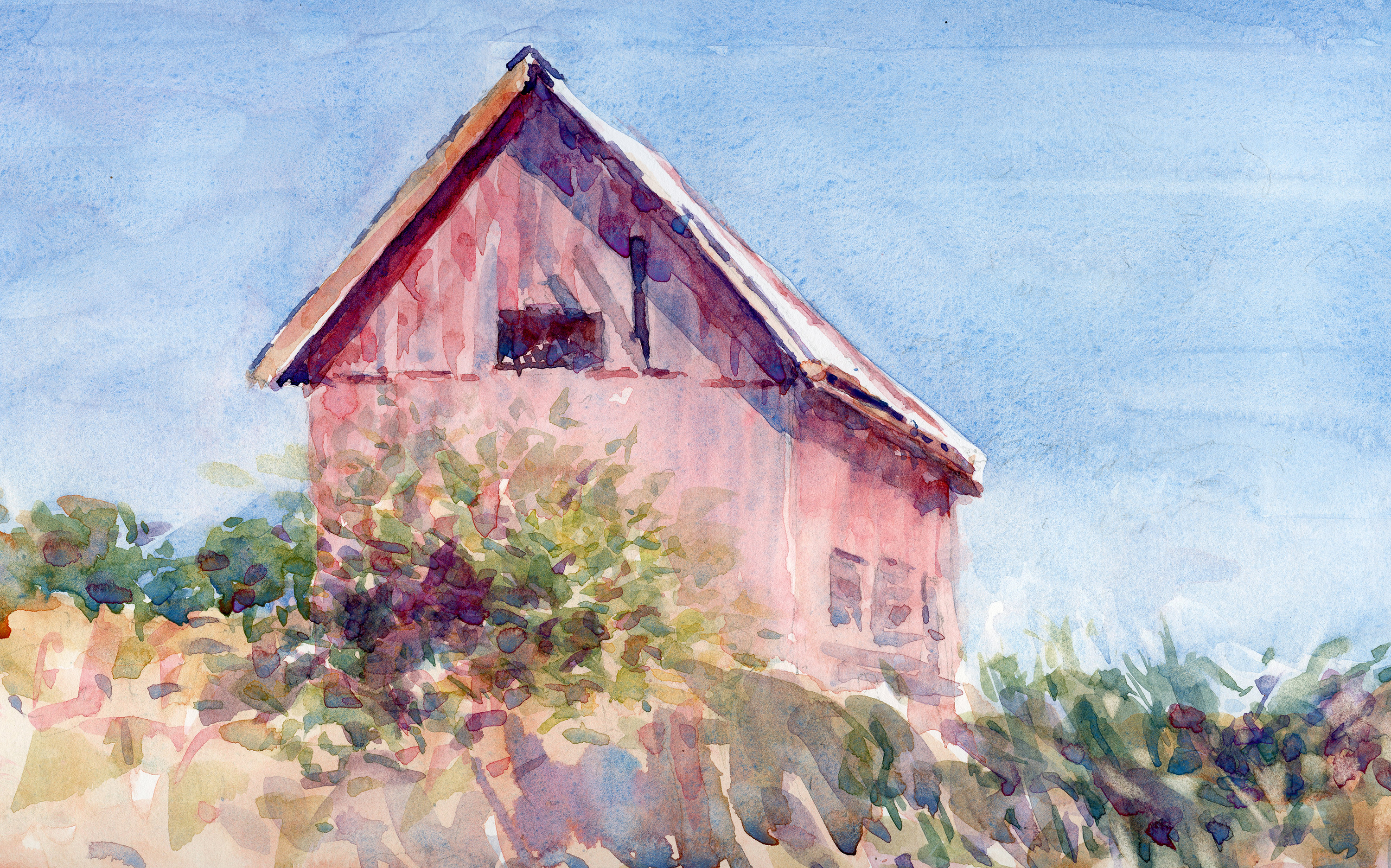
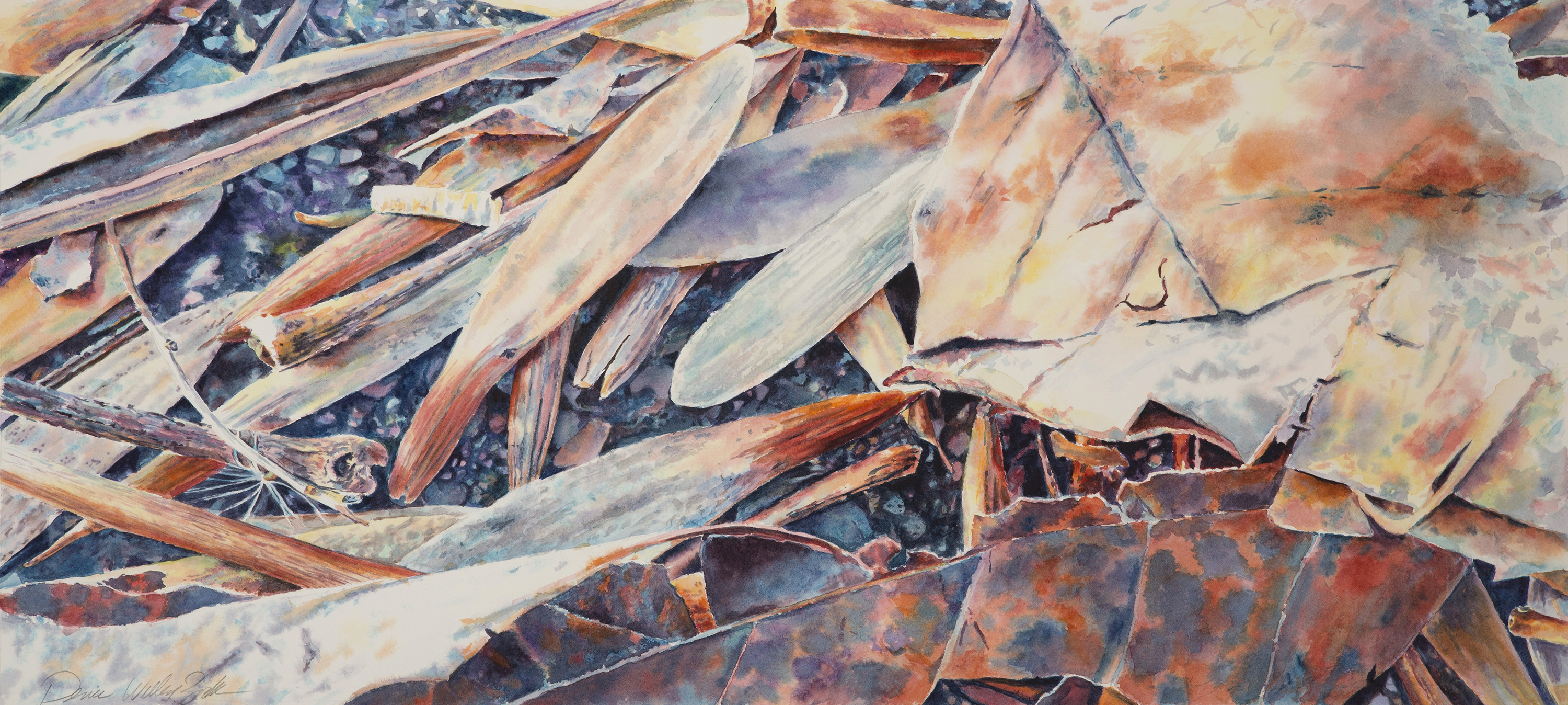
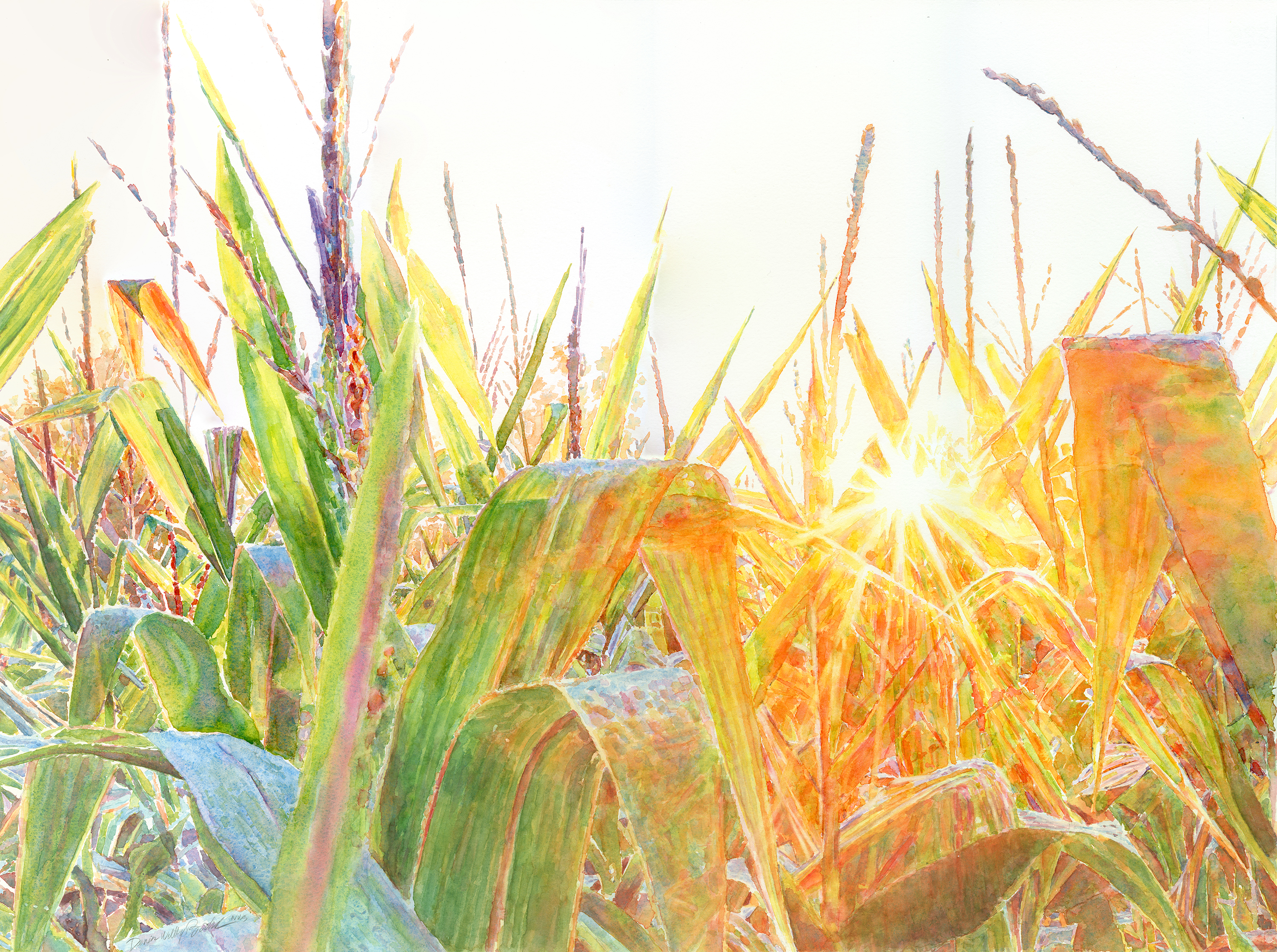
Denise Willing-Booher transforms inanimate and living subjects into dynamic watercolor paintings, taking our human perception of nature further into simple, expressive shapes and lines. Utilizing dramatic perspective, light, and color, she makes the commonplace captivating. Her images challenge society's view of what is considered beautiful.
Denise Willing Booher
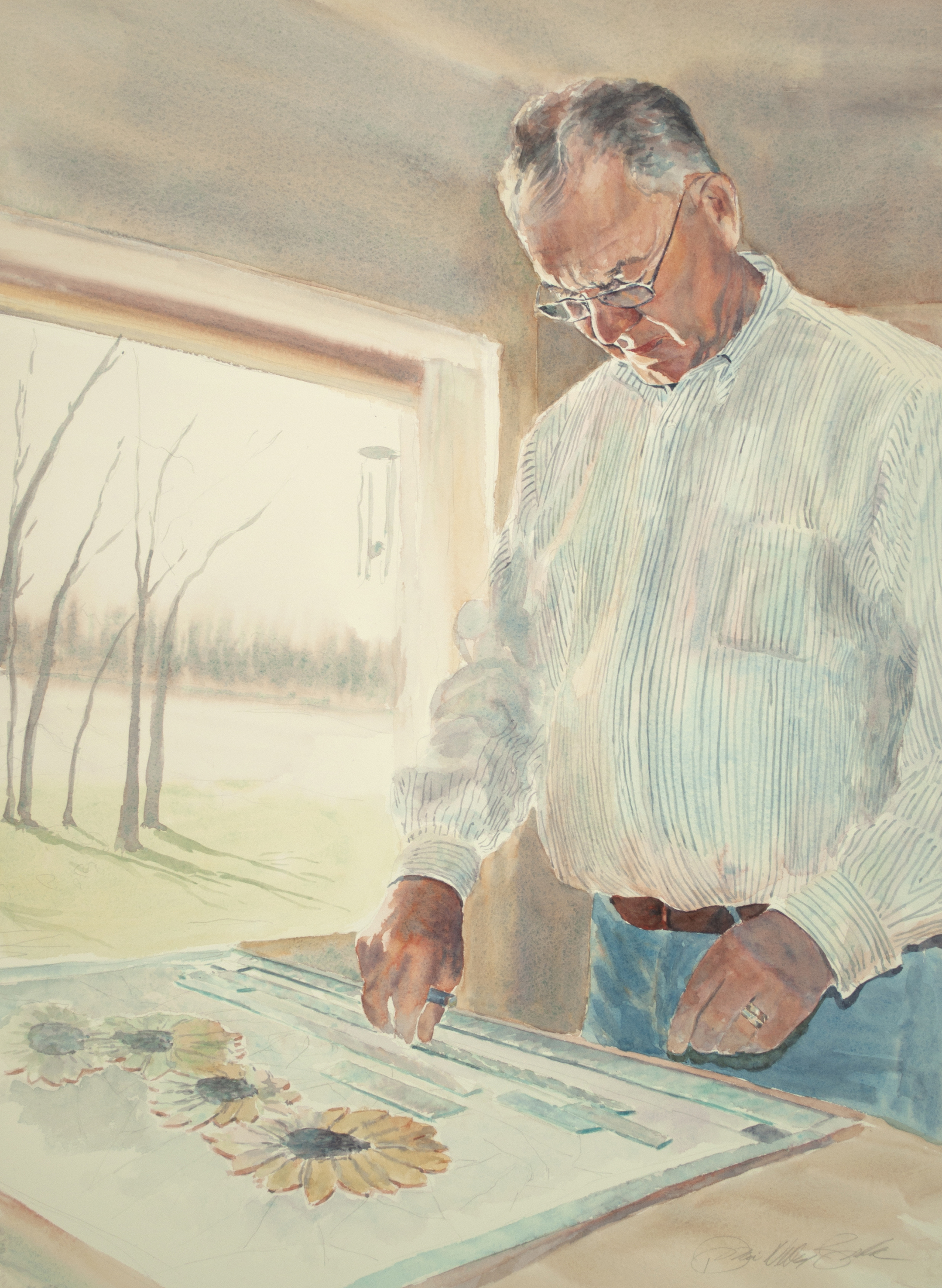
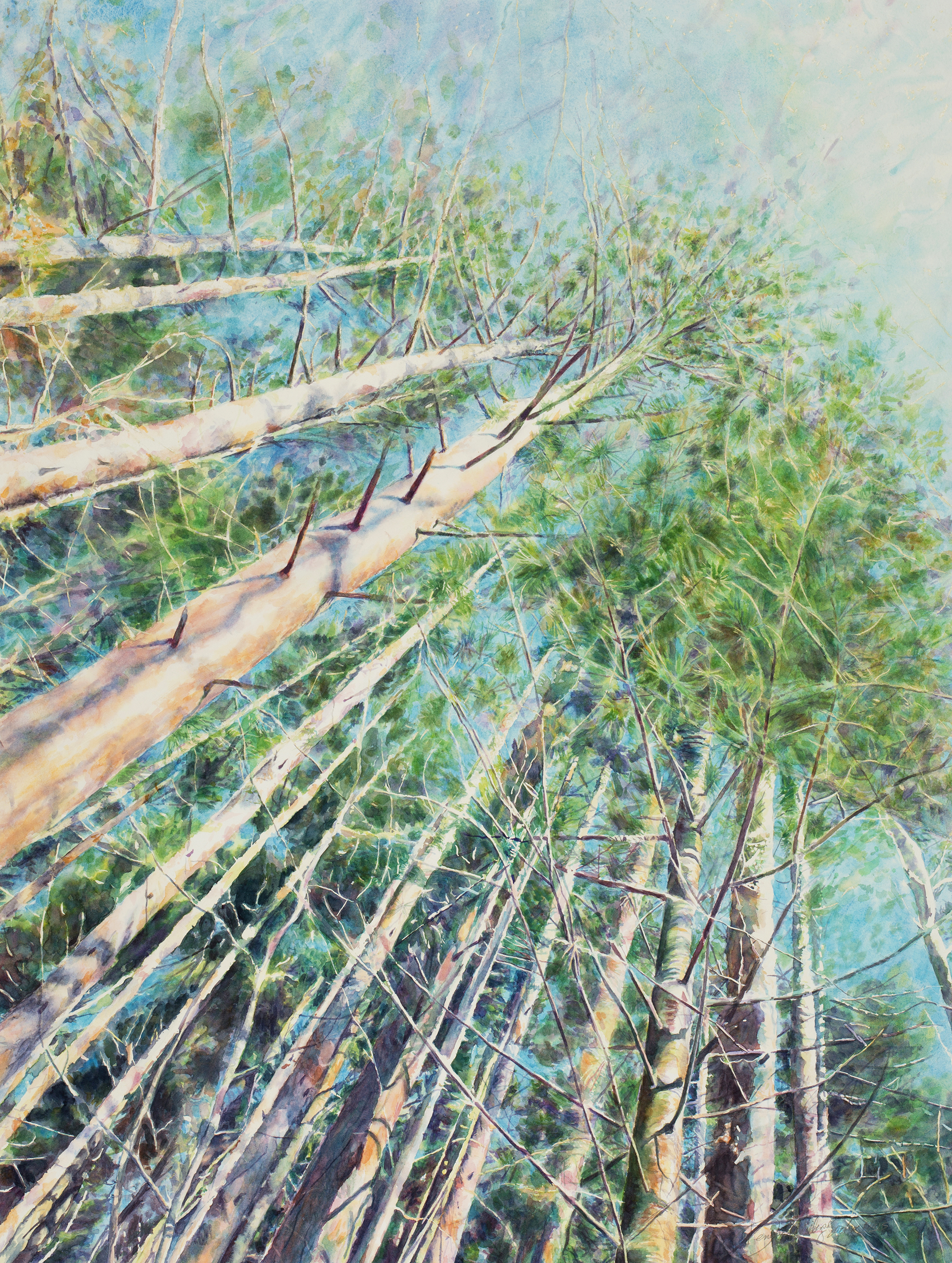
As a child, I remember watching my father and grandfather work as artisans, designing and creating unique stained-glass windows and cut glasswork in our family business. As a very young child, I also began drawing the cartoons I loved to read. Recognizing this passion, my mother enrolled me in a summer class for children at the Flint Institute of Arts. There, I drew a family in the garden and painted it in watercolor. The director of the FIA was impressed with my painting; I was very shy but incredibly grateful for his comments. From then on, I was always creating art.
I received my BFA from the University of Michigan School of Art, followed by postgraduate work at Eastern Michigan University and Wayne State University. For many years, I worked as a graphic designer, illustrator, and watercolor artist. My primary source of inspiration comes from the unique beauty of nature and the people who touch my soul. I strive to convey the essence of the person, place, or scene. I hope my paintings exude the wonder I feel when I see a sunrise, and truly connect with the soul of the subject.
Whether painting in my studio or en plein air, I strive to translate raw beauty and emotion into my work through an up-close perspective, intentional composition, and dramatic light. Life, emotions, and nature inspire me. Everyday, I marvel at the beauty of our ever-changing natural world and the people moving through it with independence and character—it calls to me to be drawn and painted.
Working intuitively and organically, I paint on location and in my studio. Being an artist is simply part of who I am; it is how I see the world and choose to paint it in my mind’s eye. Drawing and painting remain an amazing, unending journey of discovery and development for me.
I am deeply passionate about painting in watercolor on paper. The medium is beautifully unpredictable and often has a mind of its own, which makes it both a rewarding and exciting challenge. My process begins with loose, small study sketches, value studies, and quick test paintings in my sketchbook to define the composition, values, and focal point. Using these value studies as a starting point, the final piece evolves organically. Next, I sketch the subject onto the final watercolor paper. I mix water with paint, fill my brush with pigment, and make a mark. That is when the magic happens—when water, paint, and paper combine to create a wonderful wash that is uniquely its own. It is always a magical moment.
Throughout the process, I act as an observer. I constantly step back to see how to proceed and to evaluate when to stop. Because a painting rarely finishes exactly how I initially envisioned it, I continuously survey the piece to see where it wants to go. I am always surprised and joyful when a painting comes together.
Today, I teach, paint, and display my work in juried, solo, and group shows. My work has won numerous regional and local juried awards, as well as People's Choice awards, and my paintings reside in many corporate and private art collections. I am proud to be a Signature Member and President Emeritus of the National Watercolor Society, as well as a Michigan Watercolor Society Signature Member and Great Lakes Fellow.
— Denise Willing Booher
The Wonder of Scottie
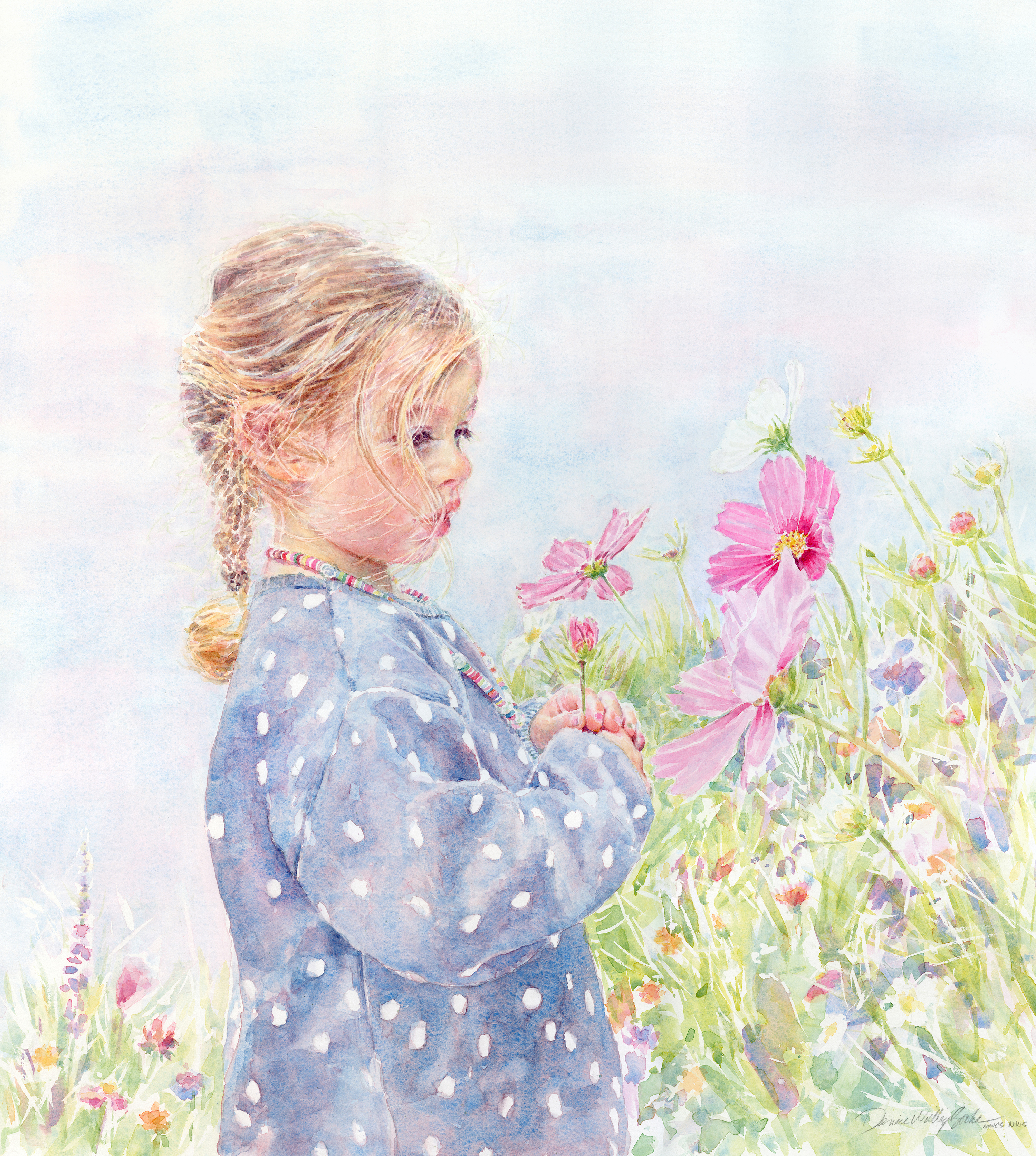
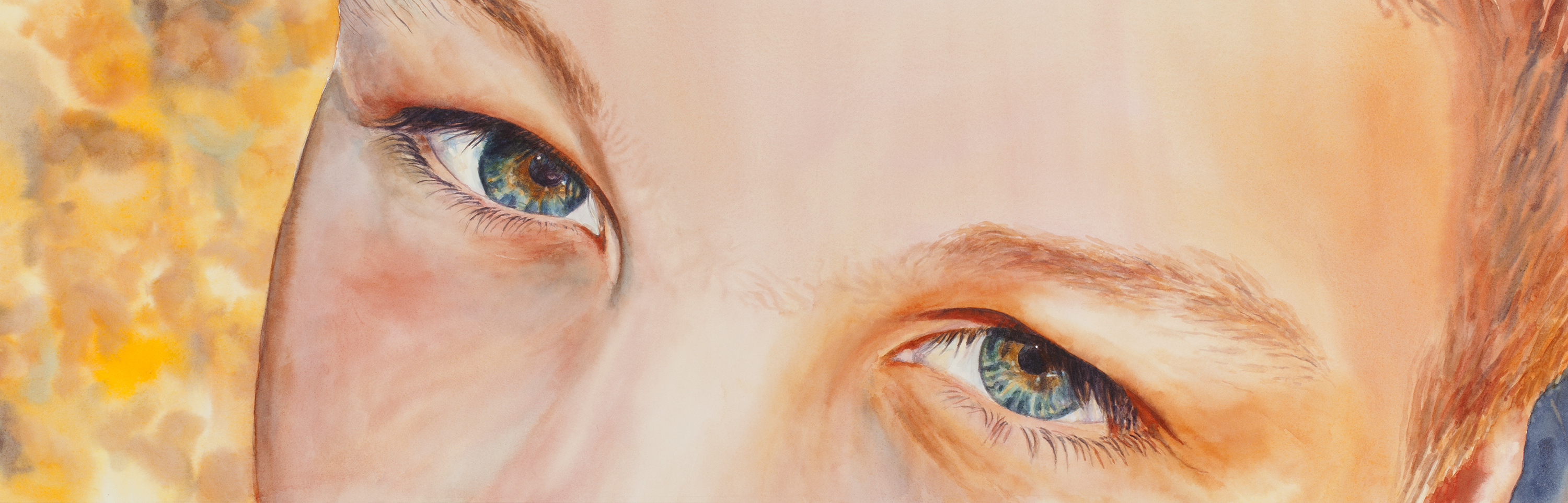
The Wonder of Scottie began when I watched my granddaughter looking at a neighbor's flowers with a sense of pure, precious wonder. I took a few reference photos and used one to create a black-and-white thumbnail of what I was envisioning, followed by a couple of small watercolor studies. Once I chose the direction, I proceeded to draw the sketch onto a full sheet of watercolor paper. I used a grid system for this, printing the image tiled, taping it together so it was full size, and then gridding both the photo and the watercolor paper.
I wanted to keep the final piece just like my study: soft, gentle, and focused entirely on Scottie's emotion. To paint her dress, I mixed a large puddle of paint and washed around the polka dots, leaving the dress as a simple, clean wash. I laid down masking fluid where Scottie's hair and the highlighted flower marks would be. Then, I painted her face, starting with the eyes, mouth, and nose before laying down washes in her hair and the field of flowers. Once the hair was anchored with its base washes, I removed the masking fluid. From there, I layered washes where needed, added flowers and grass to her left, and painted the background color last. The background was entirely dependent on how dark I painted Scottie herself. Finally, I put the painting away for a while so I could look at it with fresh eyes and decide exactly when it was complete.
Denise Willing Booher
Napping Dog & Son
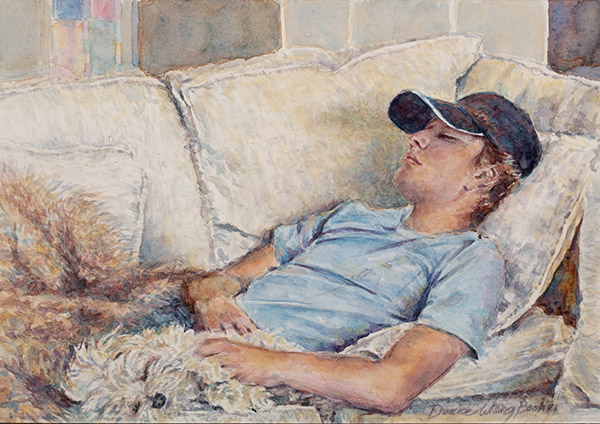
Napping Dog & Son was captured right in the moment as my son, Chad, and our dog, Rex, were both fast asleep on the couch. I wanted to communicate the relaxed contentment and love between them. Using a 7x10 Arches watercolor block, I drew out the entire scene, including the foreground and background. Once the drawing was set, I took a quick reference photo and painted them using my small plein air watercolor set.
I took a similar spontaneous approach with Dad Plein Air. I had asked my father to pose for me on his lawn, but he promptly fell asleep! I went ahead and drew and painted him anyway, though I actually ended up waking him up in the process. Later on in the studio, I went back into both of these paintings to add depth by deepening the colors and refining the fine details.
The Sentry
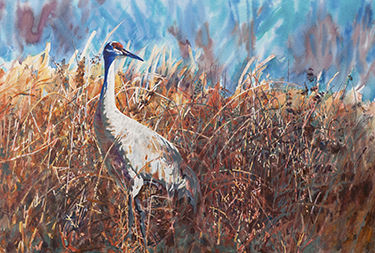
The Sentry is a full-sheet painting inspired by my home. I live on a channel with a marsh, and I used my camera to capture photos of the local Sandhill cranes. Back in the studio, I did three or four test studies to figure out exactly how I wanted to handle the background and the bird. With my chosen study as a guide, I drew out the image and painted the sky first, followed by the marsh, and finally the crane itself.
I really wanted to highlight the wild marsh environment, the direction of the crane's gaze, and the shadows falling across its feathers. Painting a piece like this feels like a "do or die" situation. I practice, take a deep breath, believe in the vision, and just go for it. If it doesn't come out the way I want, I simply tell myself I can start over.
Exhibition Events
Opening Reception
Thursday, Jan. 28, 2027, 5:00pm - 7:00pm
Stamelos Gallery Center
The Stamelos Gallery Center is located on the first floor of the Mardigian Library at the University of Michigan-Dearborn. For more information, see below for contact information. Anyone requiring accommodations under the provisions of the Americans with Disabilities Act should contact lacotton@umich.edu.